 Skip to content

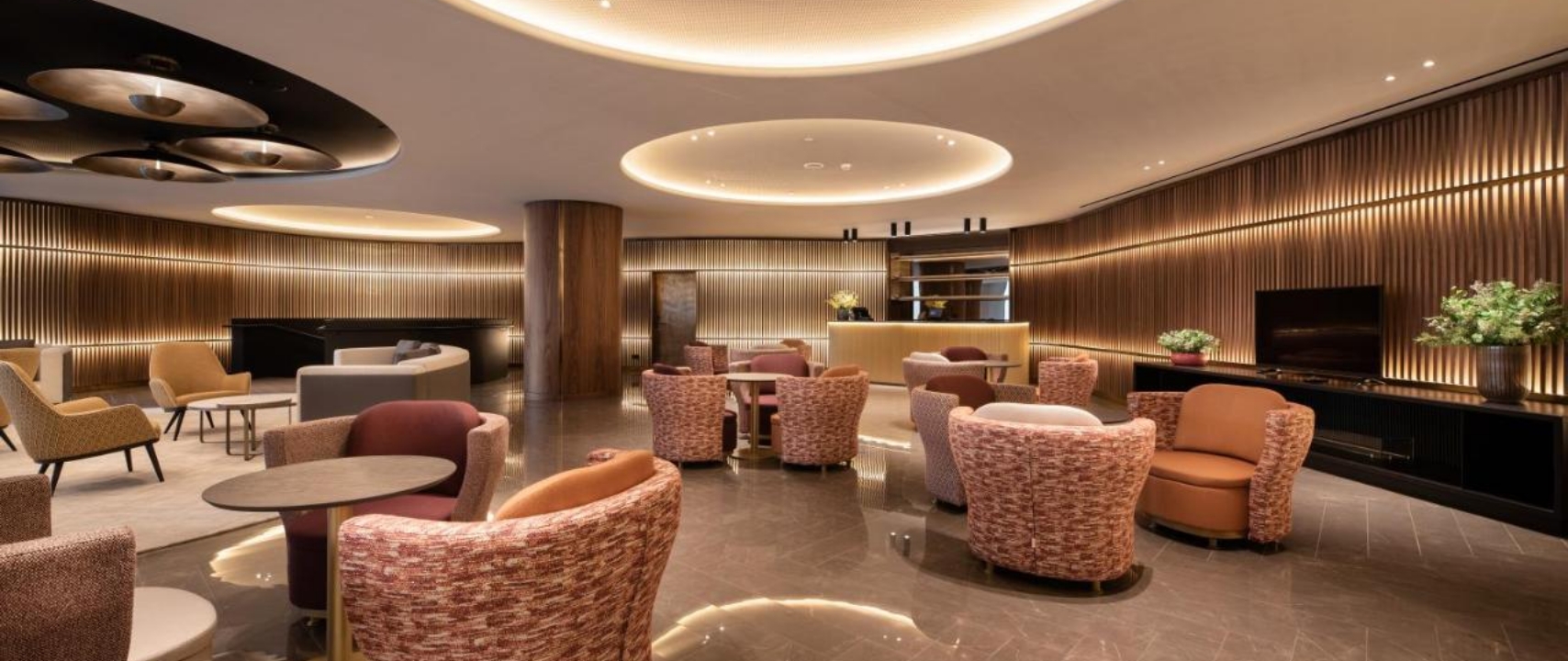
Lighting in a restaurant doesn’t only serve a practical visibility function; it also plays a crucial role in creating a welcoming, attractive atmosphere that directly influences the customer experience. From the intimate ambience of a high-end restaurant to the vibrant setting of a modern café, every space requires a unique lighting strategy that reflects its style and purpose.
For restaurant owners and interior design professionals, choosing the right lighting is fundamental to ensure the success of the business and the satisfaction of the customers.
That’s why, in this article, at Insolit we explore how lighting can completely transform the atmosphere of a restaurant, creating welcoming, functional and aesthetically attractive spaces.
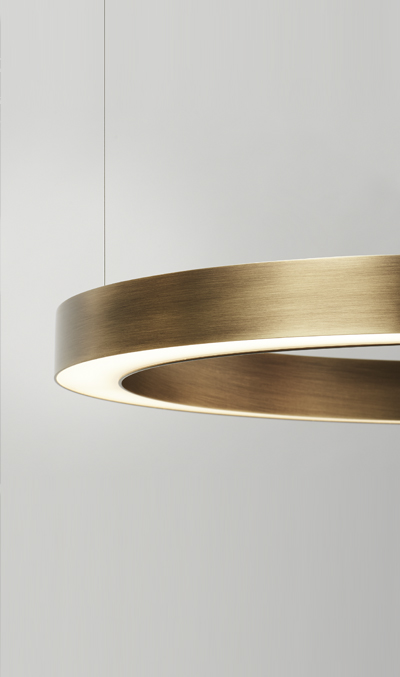
Why lighting matters in hospitality
The right lighting can completely transform the perception of a space. In hospitality, lighting plays several essential roles:
1. Ambience and atmosphere: light sets the tone and atmosphere of the restaurant. From warm, soft light to create a cosy atmosphere in an intimate restaurant, to bright, white light to foster a more dynamic and modern atmosphere in a café or bar.
2. Functionality and visibility: it is crucial to provide enough light so customers can read the menu, enjoy their meals and socialise comfortably. Functional lighting must be balanced so it doesn’t interfere with the aesthetics of the space.
3. Highlighting key elements: well-designed lighting can highlight architectural features, artworks, special tables or display areas, adding visual focal points that draw customers’ attention.
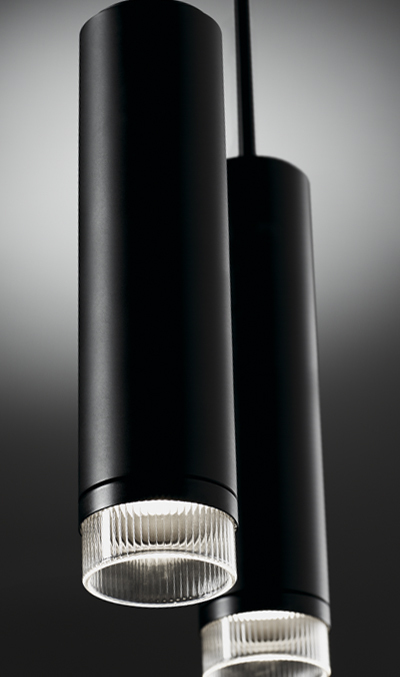
How to choose the best lighting for a modern restaurant
Choosing the best lighting for a modern restaurant is crucial to create a welcoming and functional atmosphere that draws customers in and improves their experience. Below are some tips to make the best decision.
Understand the needs of the space
Before choosing the lighting, it is essential to understand the different areas of the restaurant and their specific uses. Consider the main dining room, waiting areas, bar, kitchen and any outdoor space. Each area may require different types of lighting to fulfil its functions and improve its aesthetics.
Determine the right type of lighting
Determining the right type of lighting for a space such as a modern restaurant involves much more than simply lighting the place. It is a strategic process that aims to combine functionality, aesthetics and ambience to create a memorable experience for customers. To do so, it is essential to know the different types of lighting available for each area.
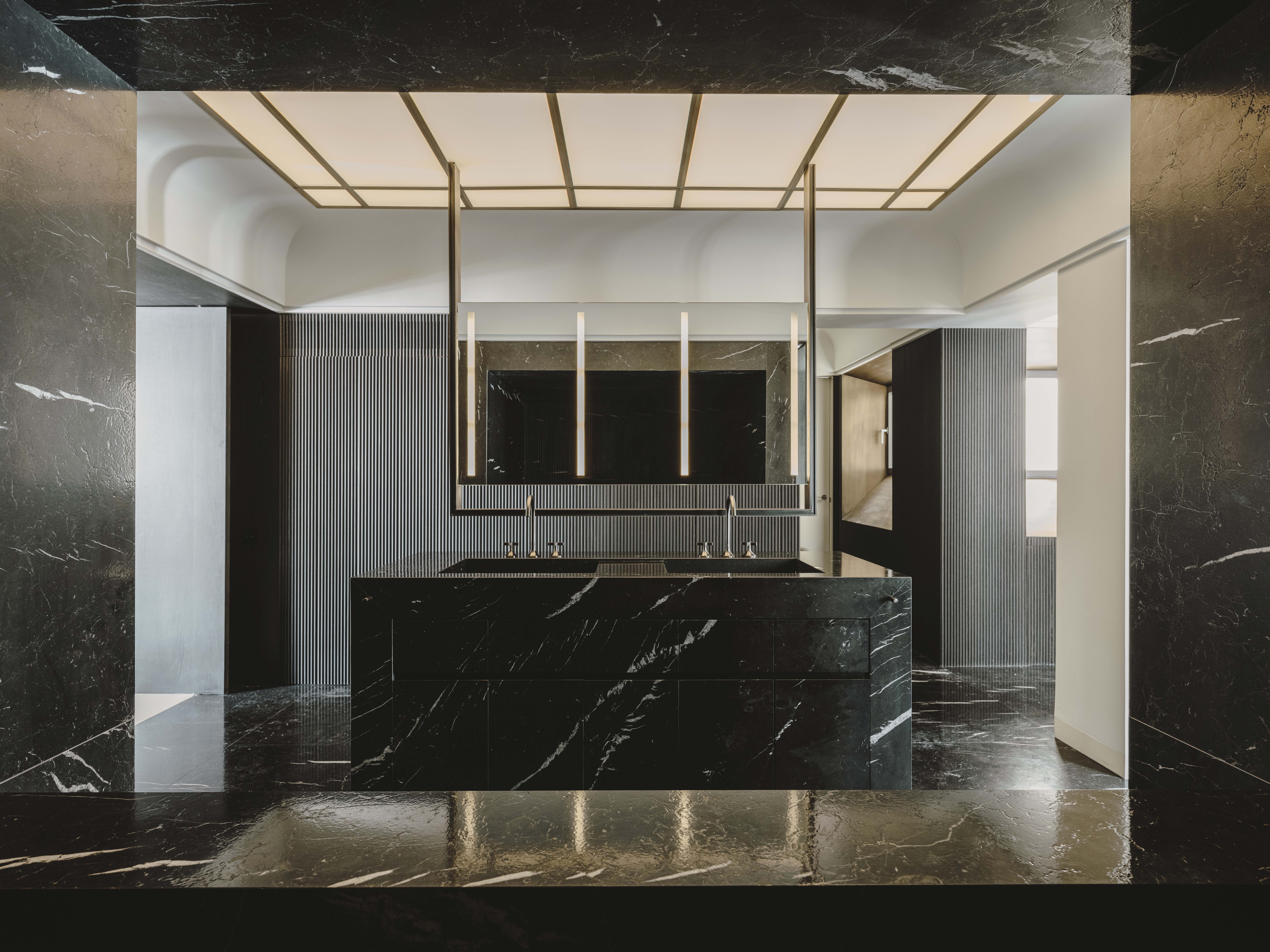
- Ambient lighting: the base of restaurant lighting, providing a general, uniform light that creates a welcoming atmosphere. You can use recessed ceiling lights, ceiling lamps or linear lighting systems.
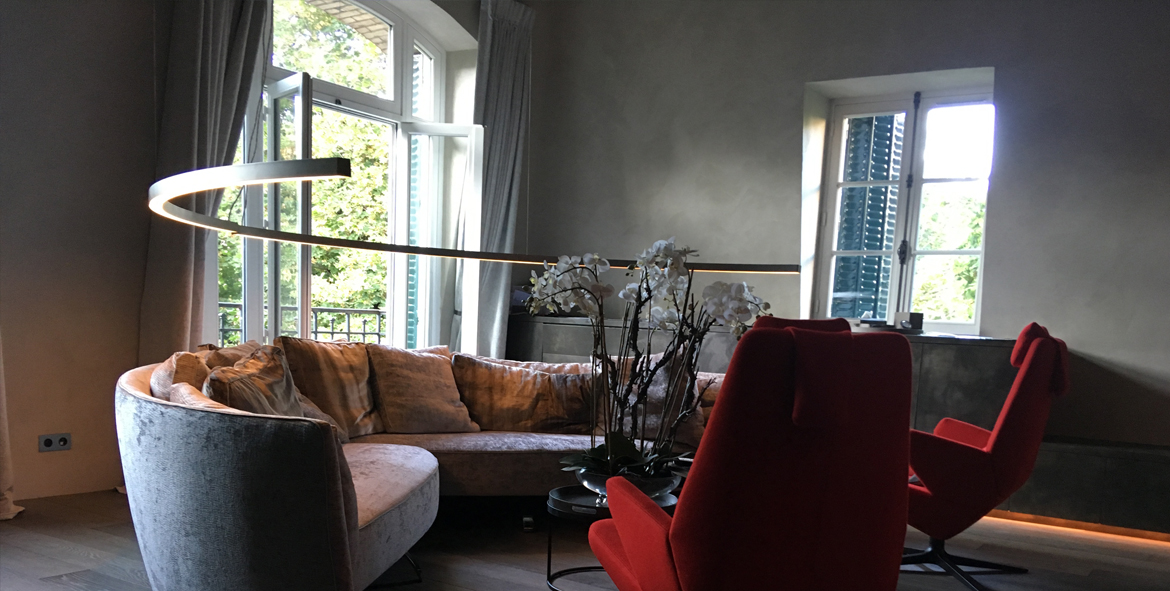
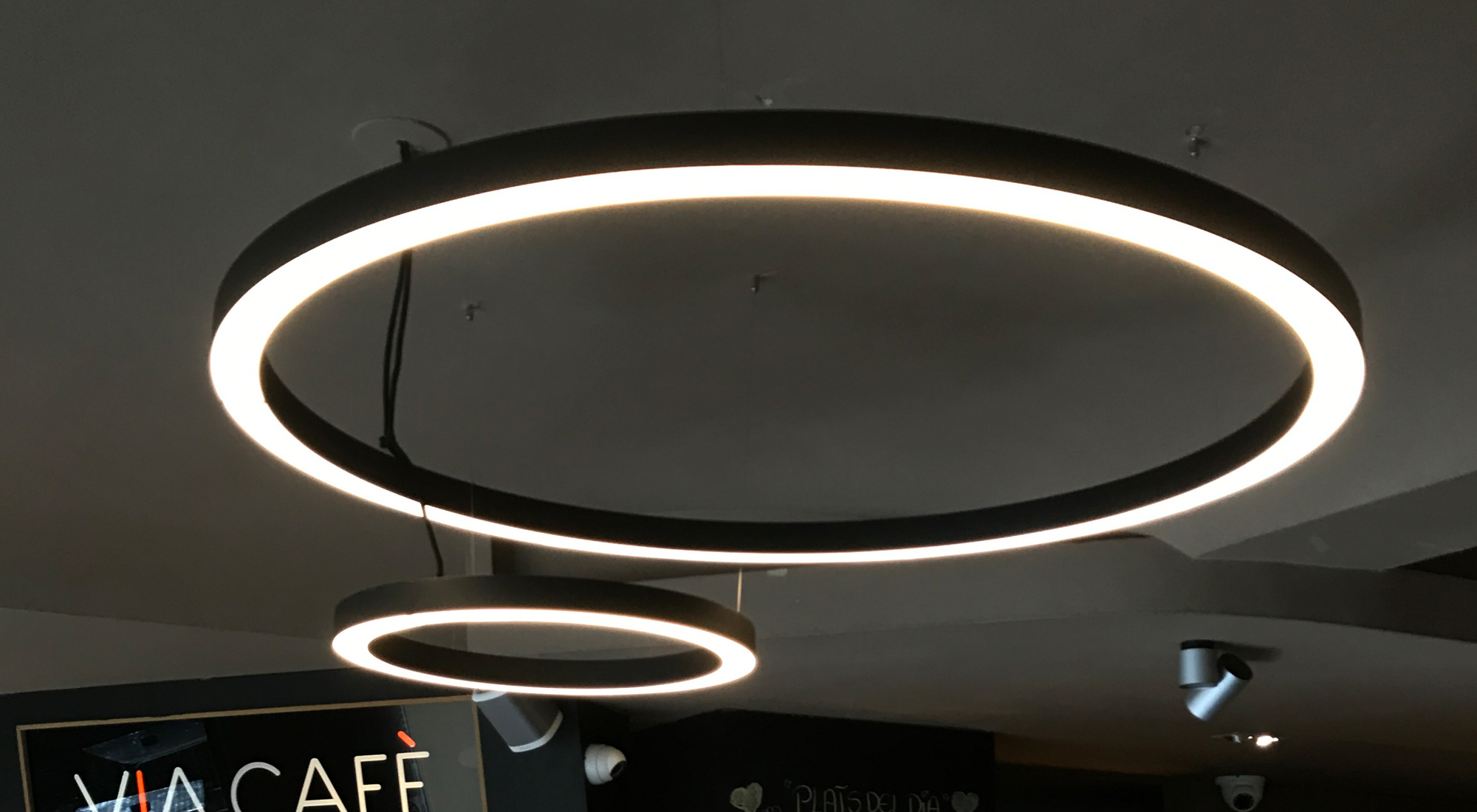
- Decorative lighting: adds style and personality to the space, acting as visual focal points. You can incorporate pendant lamps over the tables or accent lighting on walls and decorative elements.
- Functional lighting: essential in areas such as the kitchen and service zones, where brighter, directional light is needed to support staff work and ensure safety.
Consider aesthetics and design
Lighting should not only be functional but also complement the restaurant’s interior design. Make sure to choose luminaires that integrate with the overall aesthetic of the space and reinforce the desired image of the restaurant — whether modern, classic, minimalist or themed.
Assess energy efficiency
Opt for energy-efficient lighting technologies such as LEDs. They not only help cut energy consumption and operating costs, but also offer a longer lifespan and a quality of light that can improve the customer experience.
Flexibility and control
Consider dimmable and programmable lighting systems that let you adjust the intensity and colour of the light according to the time of day and the specific needs of the restaurant. This provides flexibility to create different atmospheres during service and adapt to special events.
Consult with professionals
Work with an interior designer or lighting expert who can offer specialist guidance and recommendations based on the layout of the space, the design style and customer expectations. Their experience can be invaluable in making informed decisions and maximising the visual and functional impact of the lighting.
In this regard, at Insolit we can advise you and help you find the best lighting solution for your modern restaurant. Our team of design and lighting experts can work with you to create a unique and welcoming atmosphere that highlights your venue’s identity and improves your customers’ experience. From initial planning to final installation, we are committed to turning your vision into a space where everything fits.
In short, lighting in hospitality is not just a technical matter but a powerful tool for telling stories, creating emotions and improving the customer experience. Both for restaurant owners and for interior design professionals, investing in an effective lighting strategy can make the difference between a merely functional space and one that captivates and builds customer loyalty. By understanding the specific needs of the business and adapting the lighting accordingly, any restaurant can be turned into a memorable experience.
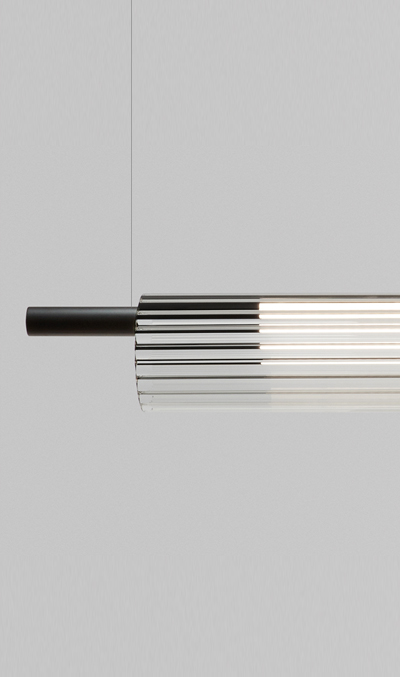
The zones of a restaurant and their lighting
A restaurant is not a homogeneous space: each zone fulfils a different function and demands its own lighting treatment. Planning the lighting by area is the basis of a well-resolved hospitality project.
The dining area is the heart of the venue: it requires a warm, enveloping light, usually resolved with pendant lamps over each table or group of tables, creating intimacy and defining each diner’s space. The entrance and reception need a welcoming light that invites you in and conveys the venue’s identity from the very first moment.
The bar combines functional light for staff work with accent light that turns it into an attractive visual focal point. The passage areas and the restrooms require more functional lighting, but consistent with the whole. And if the restaurant has a terrace, it demands luminaires with the right protection rating for outdoors. The key is for all these layers to dialogue with each other under the same colour temperature and the same aesthetic language.
Frequently asked questions about hospitality lighting
What type of lighting does a restaurant need?
A restaurant needs layered lighting: warm ambient light in the dining area, accent light to highlight elements and create points of interest, and functional light at the bar, kitchen and passage areas. Each area requires specific treatment.
What colour temperature is best for a restaurant?
For the dining area, a warm light (2700–3000 K) is recommended, generating intimacy and fostering a welcoming atmosphere. Staff work zones may need slightly more neutral light to ensure visibility.
How does lighting influence the customer experience?
Lighting directly conditions the perception of the space, comfort and the customer’s mood. Well-resolved light reinforces the venue’s identity, enhances the presentation of dishes and extends the time customers stay.
Create the atmosphere of your restaurant with the Insolit pendant lamps collection.