 Skip to content

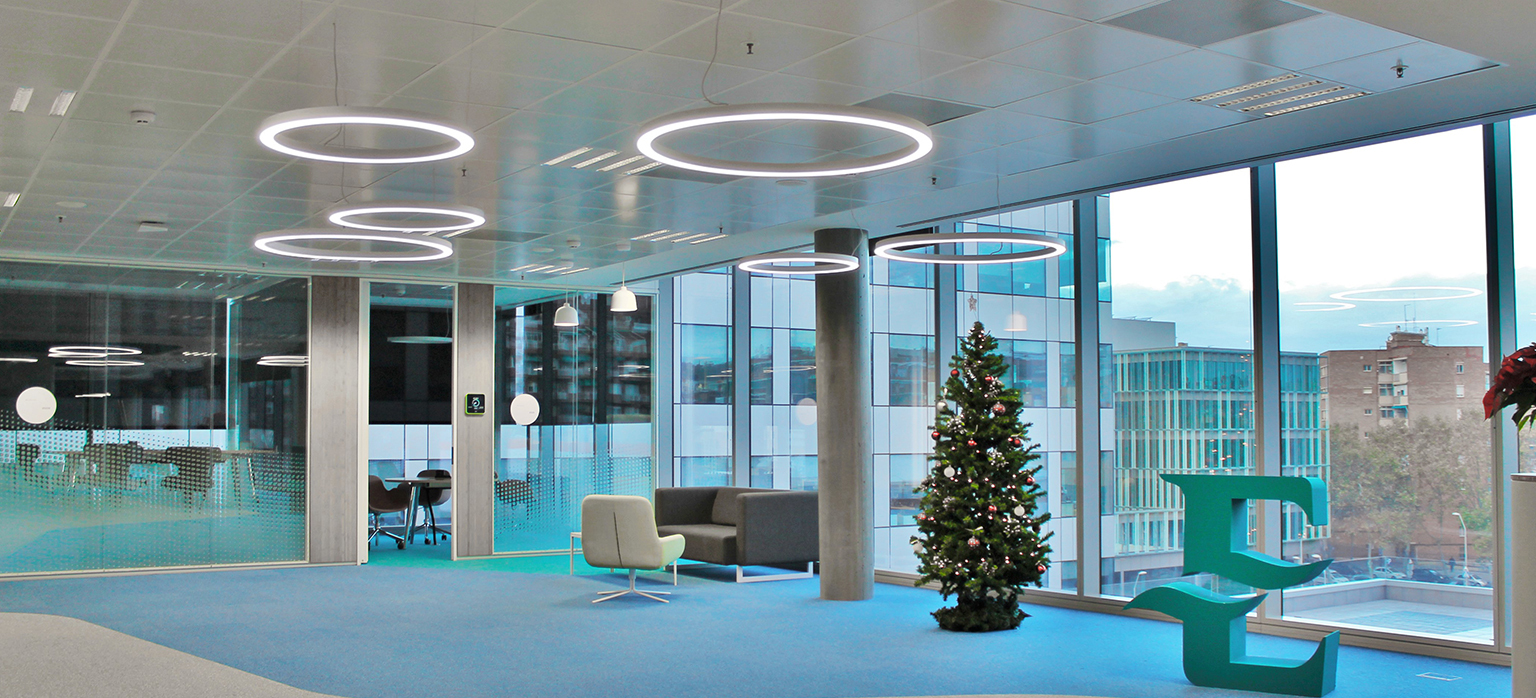
The right lighting is fundamental in an office setting, since it doesn’t only improve visibility but also plays a crucial role in employee productivity and wellbeing. Several studies have shown that well-designed light can reduce eye strain, foster creativity and improve concentration.
That’s why the choice of lighting should be made strategically, without sacrificing the aesthetics of the space. A well-lit environment doesn’t only transform the office’s appearance — it also contributes to a healthier, more effective work atmosphere.
In this article, at Insolit, we explore 7 essential keys to lighting your office in a functional and attractive way, ensuring that every corner reflects the desired design while meeting the daily needs of work.
7 keys to lighting an office without giving up on design
1. Assess natural light
Before deciding on artificial lighting, it is essential to assess the natural light available in the office. Windows and natural light sources can be used to create a bright and welcoming atmosphere. Consider the following strategies:
- Window orientation: evaluate the location and orientation of the windows to maximise the entry of natural light. South-facing windows can provide consistent light throughout the day.
- Open layout: an open-plan office design can help distribute natural light evenly. Glass walls or shared workspaces allow light to flow throughout the space.
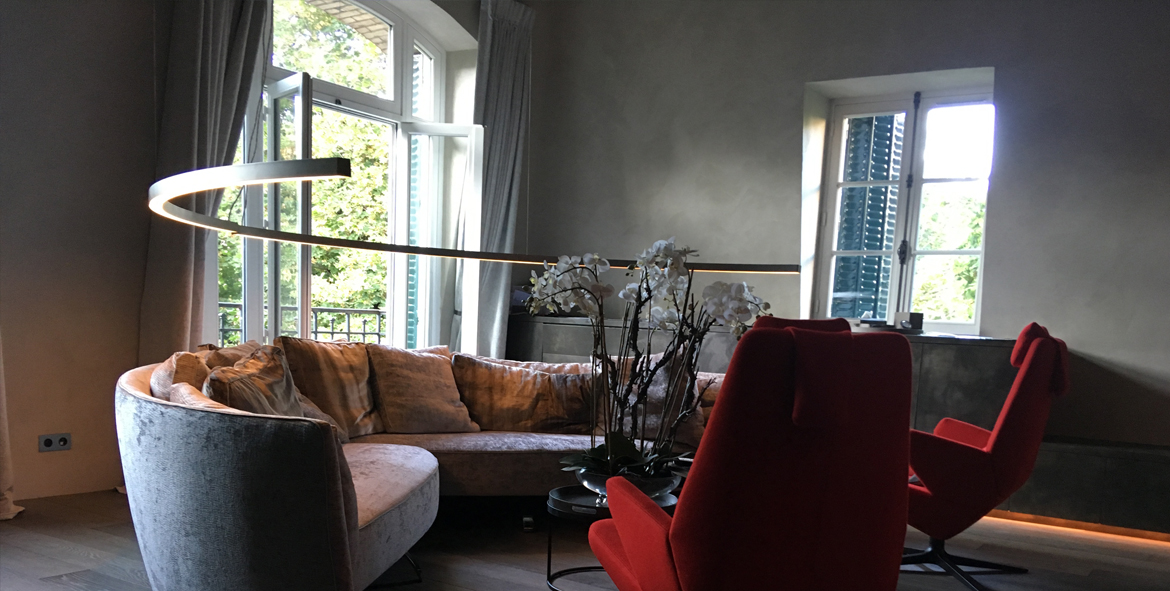
- Use of mirrors: placing mirrors strategically can help reflect natural light and visually expand the space, making it look brighter.
2. Create layers of lighting
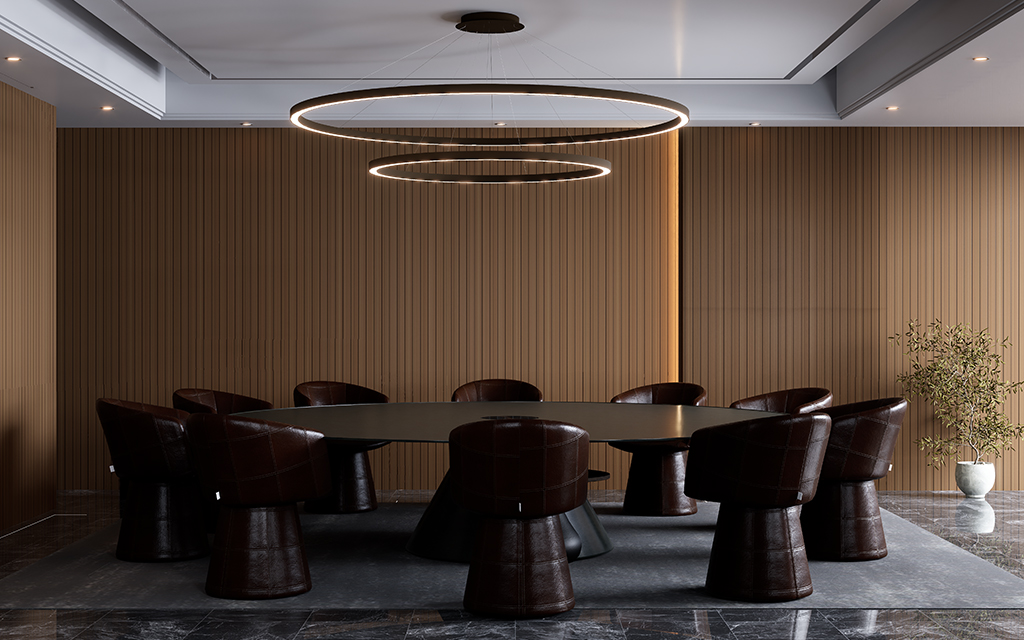
Office lighting should be multi-faceted. The key is to create layers of lighting that combine different light sources:
- General lighting: provides a base of uniform light throughout the office. This can be achieved with ceiling lights, LED panels or fluorescents.
- Task lighting: focuses on specific areas where more light is needed, such as desks or work tables. Adjustable desk lamps are an excellent choice for this.
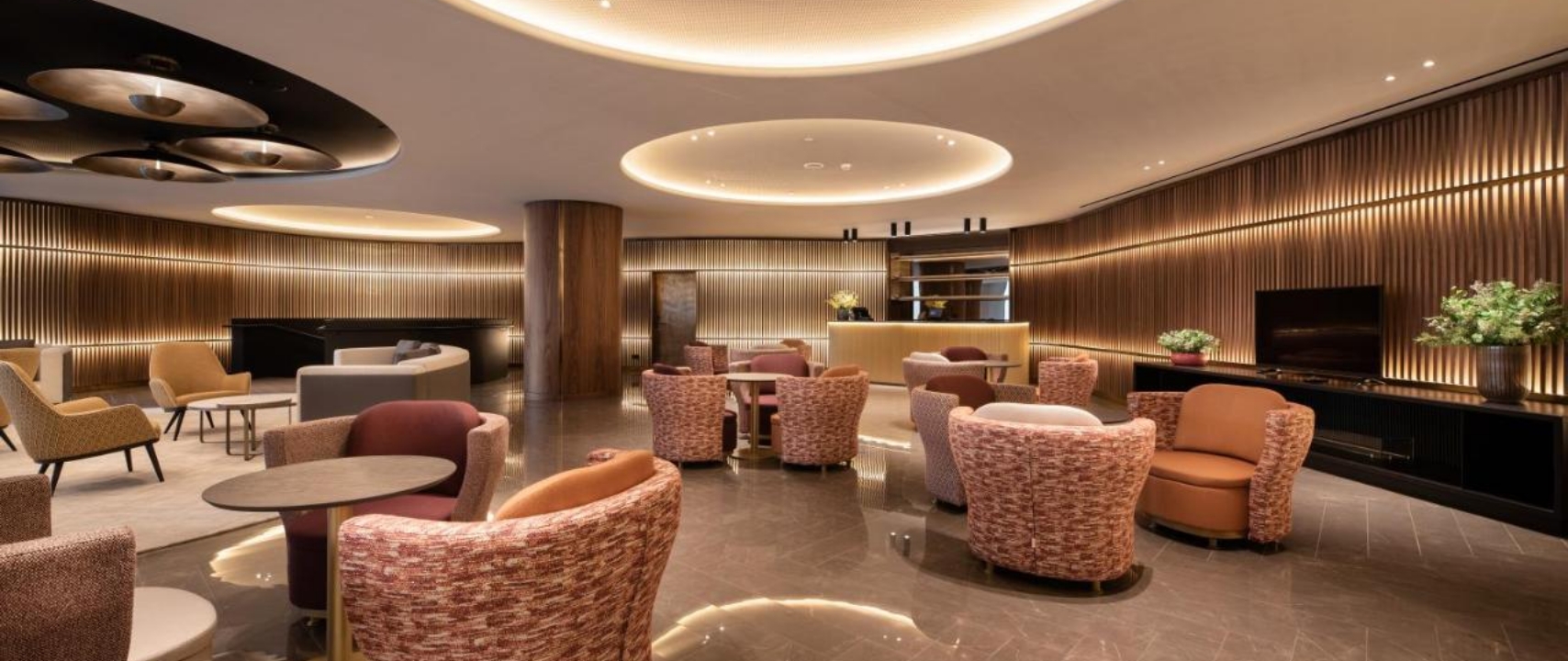
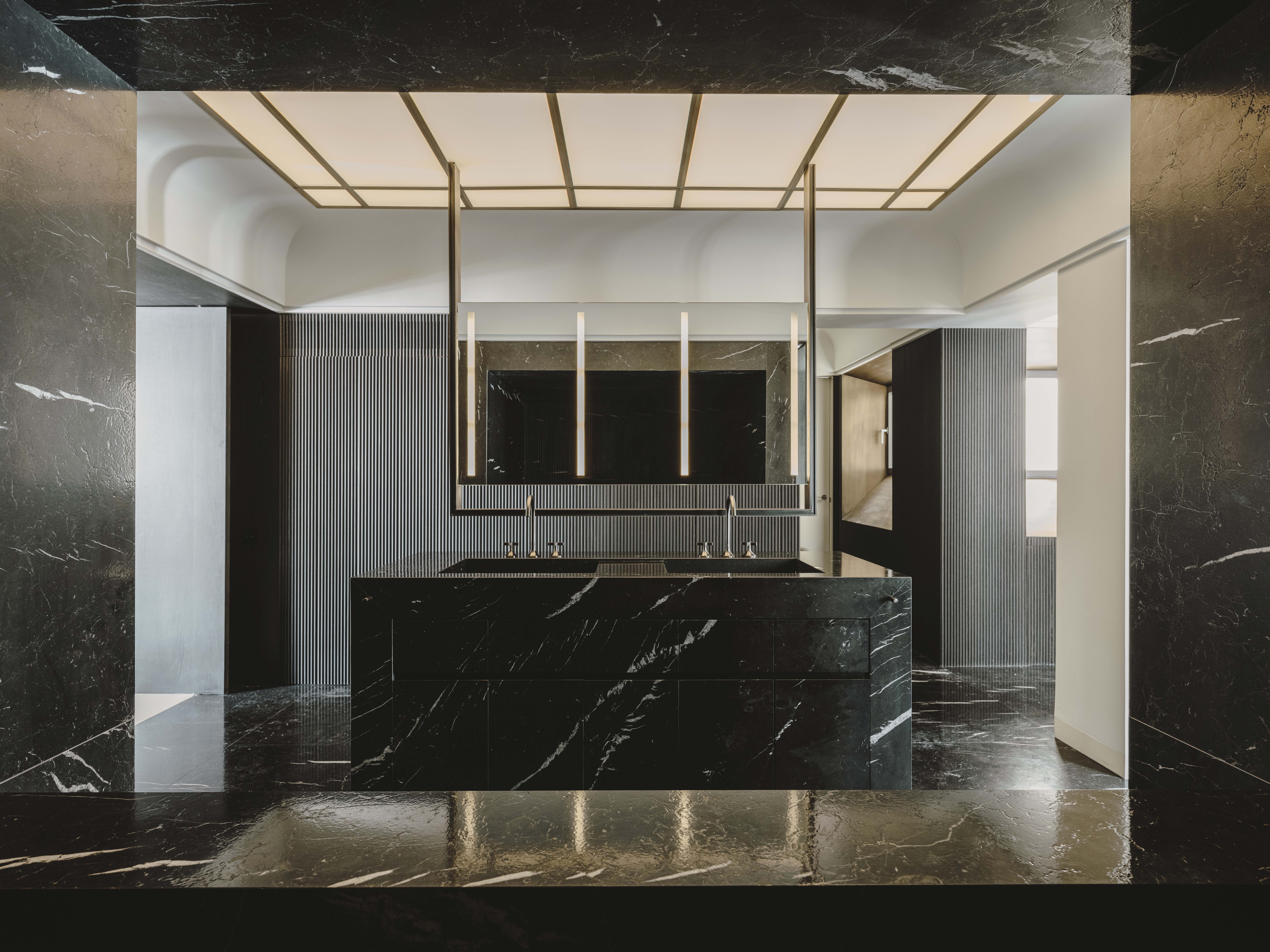
- Accent lighting: use directed or recessed lights to highlight specific areas, such as artworks, plants or architectural features. This adds a design touch without sacrificing functionality.
3. Selecting the colour temperature
The colour temperature of the lighting is another critical factor to consider:
- Warm light: creates a welcoming and relaxing atmosphere, ideal for resting areas or informal meeting rooms.
- Neutral light: provides a balance and is suitable for work areas where concentration is needed.
- Cool light: simulates daylight and is perfect for working environments that require high concentration and energy, such as conference rooms or design areas.
The choice of colour temperature should be aligned with the function of the space and the type of work carried out.
4. Incorporate lighting controls
Opting for lights with lighting controls is crucial to maximise the functionality and comfort of an office. The ability to adjust the lighting according to the activity and time of day allows you to create versatile atmospheres that adapt to different needs.
For example, during intensive working hours you can opt for brighter, focused light to encourage concentration and productivity. By contrast, during informal meetings or breaks, softer and warmer lighting can help create a welcoming, relaxing atmosphere.
Solutions such as the LP model allow employees to personalise their environment, improving their wellbeing and satisfaction at work while keeping a modern, aesthetic design in the office.
5. Choose furniture with lighting features
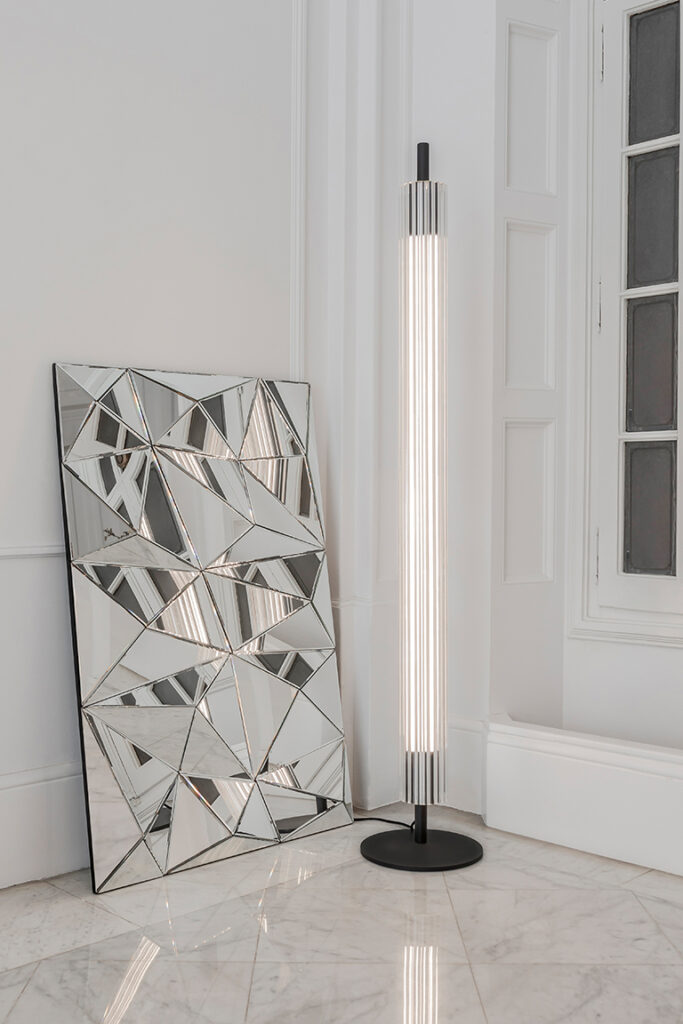
Furniture also plays a key role in office lighting. Opting for solutions that integrate lighting can improve both the functionality and the aesthetics of the space.
For example, desk lamps not only provide task light but can also complement the furniture style, as is the case with the Basic model. Adjustable lamps offer the flexibility to direct the light according to each employee’s individual needs, improving their comfort and efficiency.
Some modern desks also include integrated lighting systems, providing direct light on specific areas and contributing to a more elegant and coherent aesthetic in the office.
6. Design collaboration spaces
Collaboration spaces, such as meeting rooms or break areas, require a special approach to lighting:
- Flexible lighting: use adjustable lighting solutions that can adapt to different work configurations and to the number of people present.
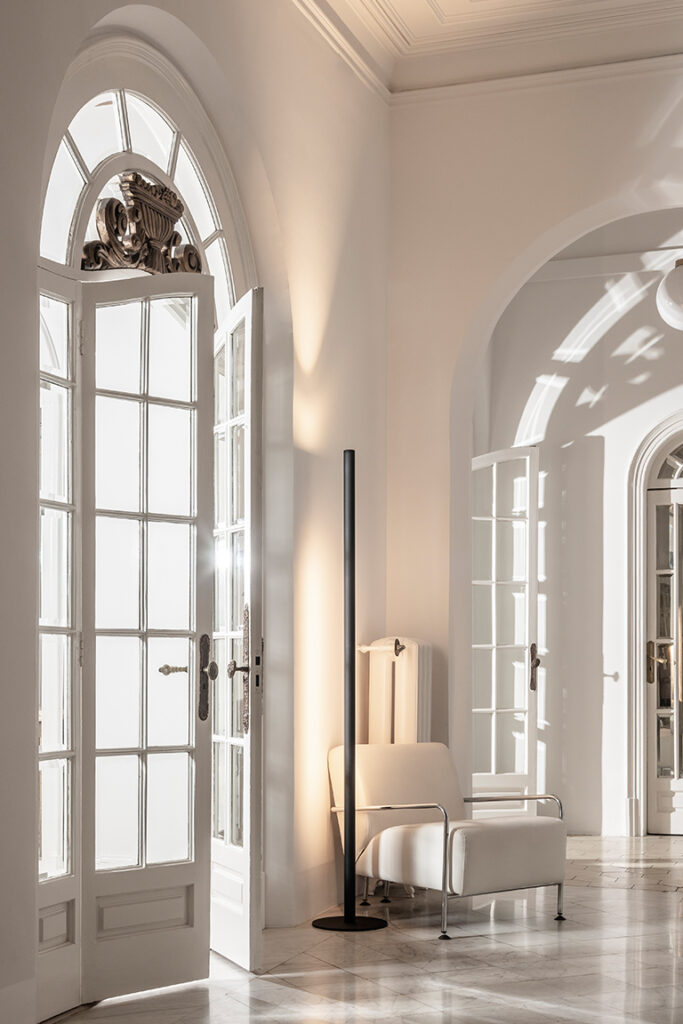
- Welcoming atmosphere: warm, soft light can help foster creativity and interaction in these spaces. Consider using floor or pendant lamps that add a decorative touch.
- Acoustic insulation: in collaboration areas, lighting can be complemented with acoustic design elements such as absorbing panels that help create a quieter atmosphere.
7. Assess and adjust
Once the lighting solutions have been implemented in the office, it is essential to evaluate their effectiveness and make adjustments as needed.
A good starting point is to gather feedback from employees, since their input on how lighting affects their comfort and productivity can be very useful for identifying possible areas of improvement.
It is also advisable to set up a schedule of periodic reviews to ensure the lighting remains effective and the system stays in optimal condition.
Over time, needs may change and technologies evolve, so it is also essential to keep up with technological updates in the lighting field. Implementing new technologies, when appropriate, can offer additional benefits in terms of both energy efficiency and the quality of the work environment.
In short, lighting an office effectively without compromising design is a challenge that calls for a careful, well-planned approach. By understanding the importance of lighting, taking advantage of natural light, creating layers, selecting the right colour temperature and opting for efficient solutions such as LEDs, designers and owners can transform the space into something both functional and aesthetically attractive. To carry out this task successfully, it is crucial to have quality products that offer flexibility and performance.
At Insolit, you will find a wide catalogue of lighting solutions designed to cover all these needs, ensuring your office shines not only for its efficiency but also for its impeccable design.
Frequently asked questions about office lighting
What level of lighting does an office need?
Office work areas require a high lighting level, around 500 lux on the work plane, according to the regulations for workplace lighting. Transit and rest areas allow for lower levels.
What colour temperature is best for working?
For work areas, a neutral light (4000 K) is recommended, as it favours concentration and performance. Rest or informal meeting areas can be resolved with slightly warmer light to bring comfort.
How can you avoid screen glare in the office?
By using fixtures with anti-glare systems, avoiding direct light on the screens, relying on indirect light and properly orienting the workstations in relation to light sources and windows.
Design productive workspaces with the Insolit designer ceiling lamps collection.