 Skip to content

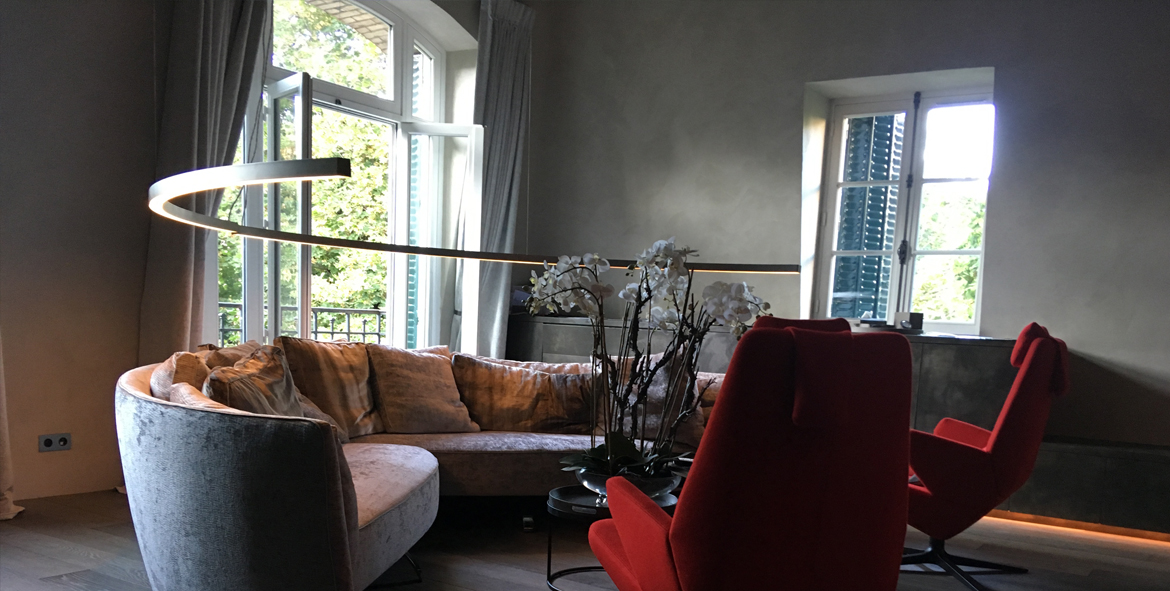
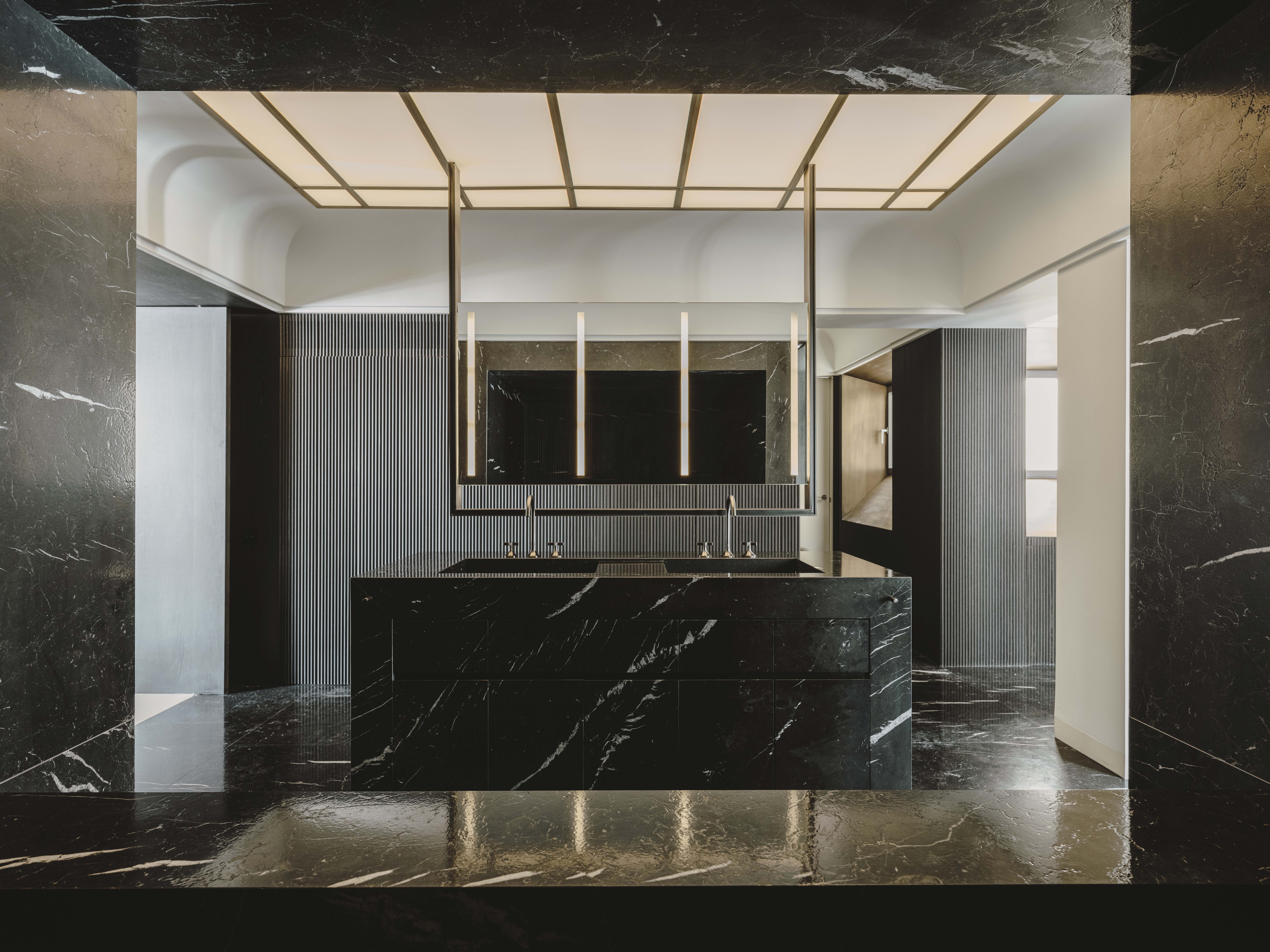
No home is lived in just one way. You arrive in the living room to be present, you step into the bedroom to switch the day off, you pass through the kitchen to create with your hands. Three different rhythms under one roof, and yet it’s common to repeat the same ceiling lamp across all three rooms, as if the space had nothing to say about how it wants to be lit.
Choosing a living room ceiling lamp, a bedroom ceiling lamp and a kitchen ceiling lamp separately isn’t a technical whim. It’s understanding that light doesn’t just illuminate: it sets the mood, shapes the pace, decides whether a space invites you to stay or to pass through quickly. In this guide we go room by room, with real pieces from Insolit’s collection, designed and made in Barcelona.
Living room ceiling lamp: the one that adapts to how you live
The living room changes function several times a day: gathering, reading, a long afternoon at the table, an evening working with a laptop on your knees. Few rooms ask as much of a living room ceiling lamp as this one, and few reward flexibility quite so well.
Focus Line Magnet answers that need at the root: its magnetic fastening system lets you move and redirect each point of light along the track without tools or building work. Today it highlights a painting, tomorrow a different side table, without ever losing the clean, architectural look that defines the whole. Among living room ceiling lamps, this is the one that reinvents itself with you.
Worth knowing: in walkways and living rooms, keep a minimum clearance of 210cm from the floor; on standard 250cm ceilings, a surface-mounted system like Focus Line Magnet is the cleanest technical choice.
Bedroom ceiling lamp: the one that steps back with elegance
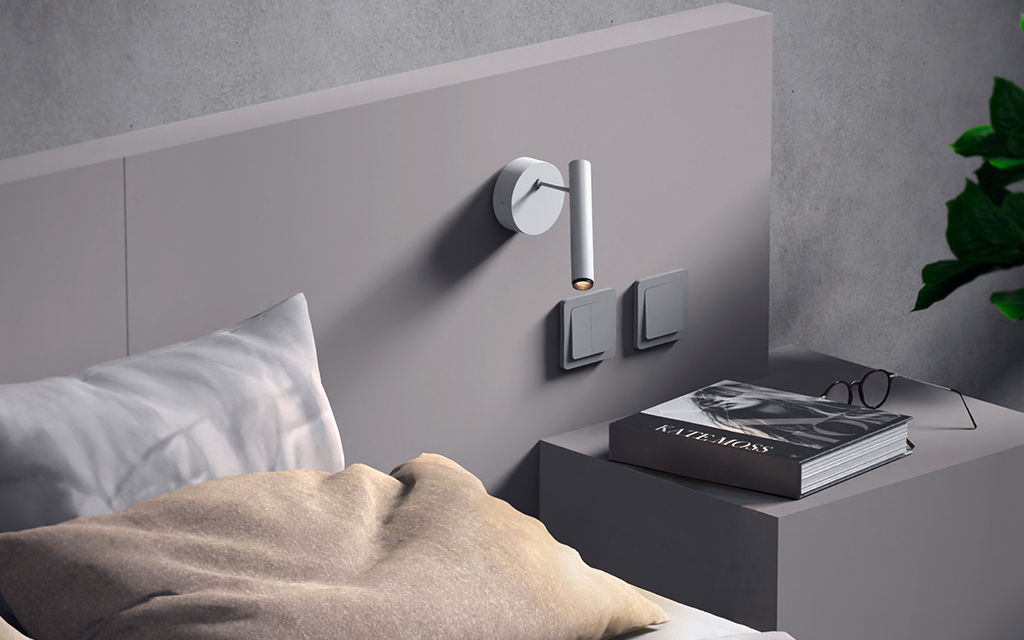
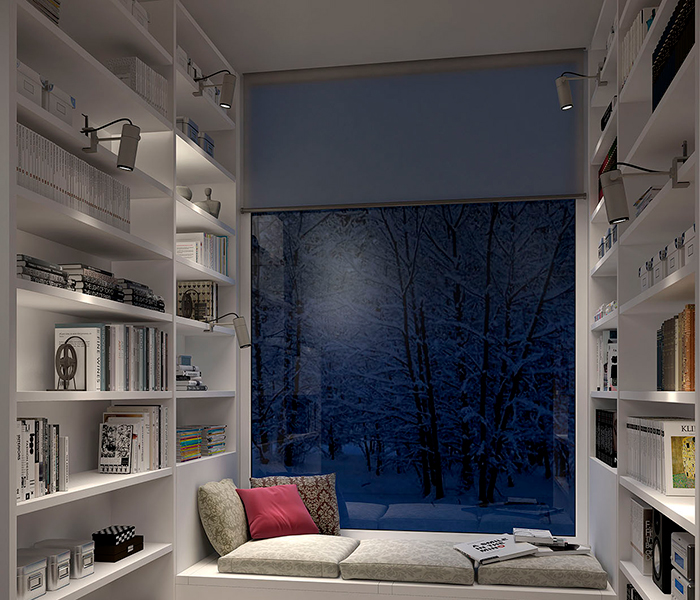
If the living room asks to adapt to every moment, the bedroom asks for the opposite: a presence that almost disappears. Here, the ideal bedroom ceiling lamp doesn’t compete for attention, it dissolves into the architecture and lets rest take centre stage.
Stick, with its essential tubular design, is precision without visual noise: installed on its own or in rhythmic compositions, it delivers a precise, focused light that avoids glare, exactly what a bedroom needs before the last light goes out. Among bedroom ceiling lamps, it’s the one that’s least noticed and most appreciated.
Worth knowing: in the bedroom, favour warm colour temperatures (2700-3000K) and look for dimming systems such as DALI or Casambi: the same light that accompanies a bit of reading should be able to fade almost to nothing minutes later.
Kitchen ceiling lamp: the one that works with you
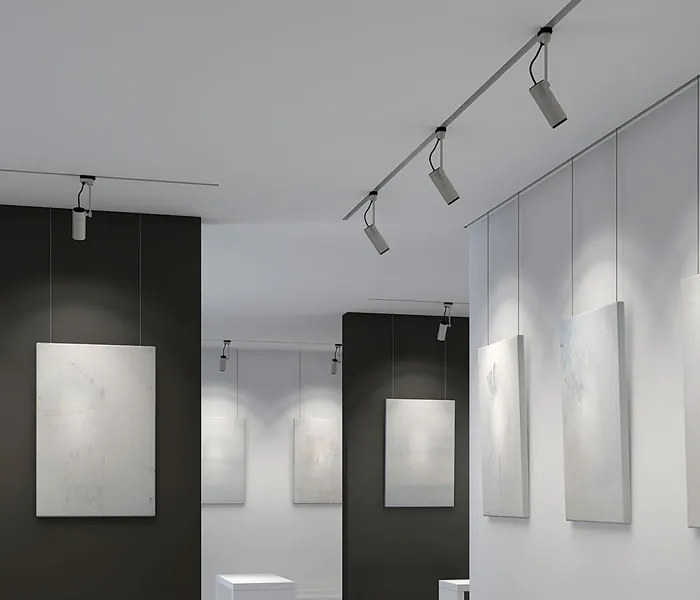
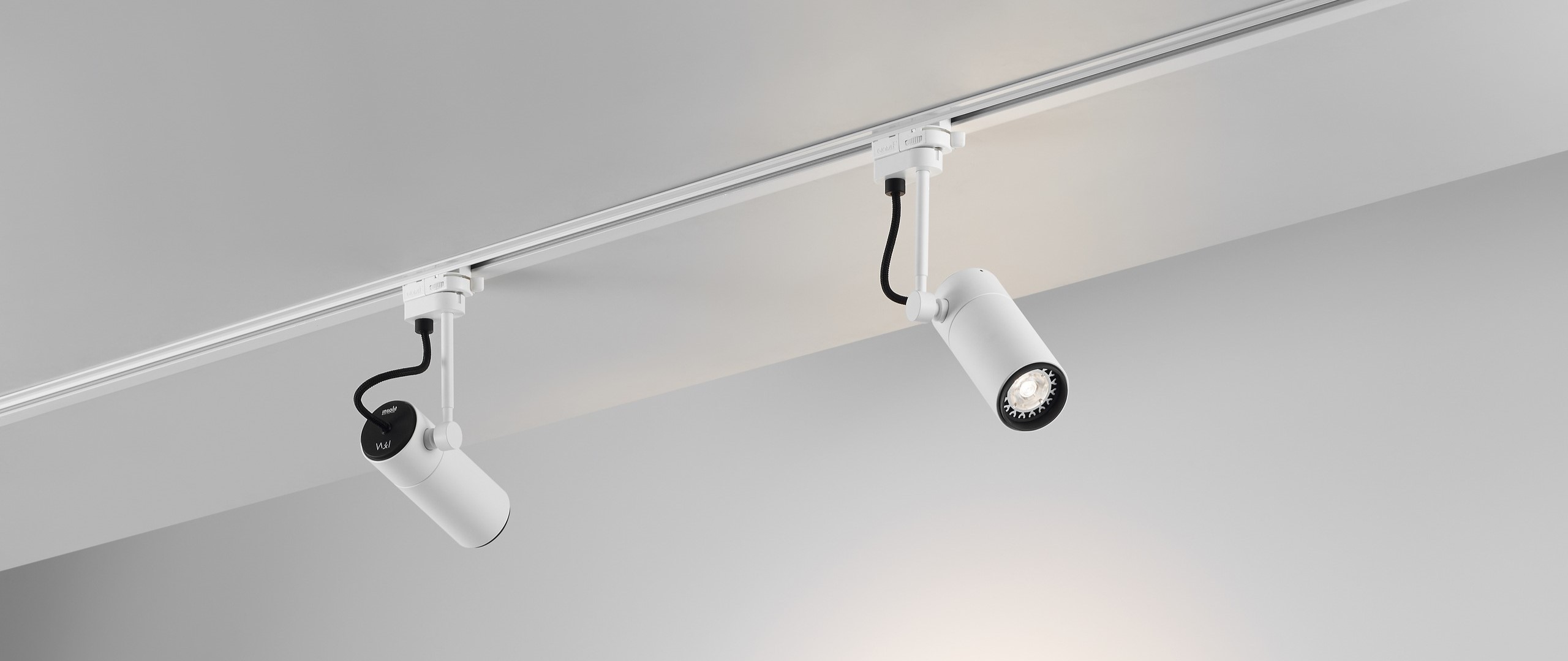
The kitchen doesn’t ask for atmosphere, it asks for precision. A kitchen ceiling lamp has a very different mission from one in the living room or bedroom: direct, even light, enough to chop, read a recipe or wash up without a single shadow getting in the way.
Focus Line Track answers that exact demand: a track system that directs light onto the work surface with surgical precision, ideal for lighting the countertop or island without abandoning the same design language found throughout the rest of the home. Among kitchen ceiling lamps, it’s the one that understands that this is a place for cooking before it’s a place for decorating.
Worth knowing: in the kitchen, the ideal colour temperature moves into the neutral range (3500-4000K); if you’re combining several spotlights from a system like Focus Line Track, space them roughly half the ceiling height apart for even light, with no shadow gaps.
One collection, three ways of living in a home
What’s interesting about thinking through ceiling lighting room by room isn’t just technical: it’s that even using one design collection throughout the house, each piece can play a completely different role. Focus Line Magnet reinvents itself in the living room. Stick steps back in the bedroom. Focus Line Track gets to work in the kitchen. Design coherence is never at odds with each room having its own rhythm of light; if anything, that’s what makes a home feel thought through from end to end.
Frequently asked questions
A flexible system like Focus Line Magnet, which lets you redirect the points of light as the use of the space changes, with no building work or tools required.
Warm, between 2700K and 3000K, with a discreet ceiling lamp like Stick and, if possible, a dimming system: it favours rest and doesn’t compete with sleep.
A neutral colour temperature (3500-4000K) and direct light over the work surface, like the one offered by Focus Line Track, to avoid shadows while cooking.
Yes. Models from the same design family, such as the different versions of Focus Line, can adapt to the living room, bedroom and kitchen while keeping the whole home’s aesthetic coherent.