 Skip to content


A glass floor lamp can introduce both a source of light and a material presence that contributes to an interior’s composition. When choosing one, consider three aspects: how the light source appears through the glass, how the lamp relates to the furniture, and what role it will play within the room.
In a living room, it can accompany a conversation area; in a bedroom, define a relaxing corner; in a reception space, introduce a piece with character. The choice starts with its intended use and becomes clearer when you assess the lamp both switched on and off.
Glass as part of lighting design
The appeal of glass lies in its relationship with light and its surroundings. Its transparency, texture and finish influence the visual presence of the piece. When selecting a lamp, it is therefore worth looking beyond its silhouette.
A transparent surface reveals the internal elements more clearly. A fluted texture introduces a rhythm into the material and changes how those elements are perceived. The decision depends on how much emphasis you want to place on the structure, the illuminated volume or the surface itself.
For an interior design project, it is useful to assess a sample or the illuminated lamp from different positions. A piece viewed while standing may create a different impression when seen from the sofa.
Glass alone does not guarantee freedom from glare. The arrangement of the light source, its brightness and its position in relation to the eyes also need to be considered.
Glass Floor: a fluted glass floor lamp
Glass Floor, designed by Josep Lluís Xuclà for Insolit, features a fluted glass tube as its defining element. The piece combines this material with a steel body and includes a foot dimmer for adjusting the light level.
Its vertical geometry makes it a potential counterpoint to horizontally proportioned furniture, such as a low sofa or a sideboard. Rather than choosing its position solely according to the nearest socket, consider how it relates to these volumes.
One possible arrangement would be to place it beside the end of a sofa, allowing its full profile to remain visible from the living room entrance. Another option is to position it next to an armchair, while checking what lighting that corner actually needs.
Dimming allows its luminous presence to be adjusted at different times. To establish the lighting scene, test it alongside the other luminaires: the result depends on the overall arrangement, not just the brightness of one piece.

How to choose a glass floor lamp for your space
Decide whether you need ambience, reading light or a decorative feature
Before choosing a model, establish what it needs to achieve.
If you want to accompany a conversation area, assess how its light works with the existing lighting. If you need to read, check the illumination on the book and the position of any shadows. If you are looking for a statement piece, consider how it will appear during the day too.
A decorative lamp can accompany a reading corner, but its material does not tell you whether it will provide suitable light for that task. The choice should reflect its intended use.
Consider the overall proportions
Height matters, but it is not enough on its own to assess scale. The diameter of the base, the width of the body and the clear space around the lamp also count.
In a small room, marking the base’s footprint on the plan helps reveal whether it interferes with circulation. In a spacious living room, consider whether the piece retains its presence beside the sofa or is visually overshadowed by the furniture.
Assess the proportions from the usual viewpoints: the entrance, the seating and the routes between rooms.
Check the controls and connection
The switch or dimmer should remain accessible once the furniture is in place. A position that looks good in a photograph may prove inconvenient if an armchair has to be moved whenever you want to turn the light on.
Planning the cable route is also part of the selection process. Ideally, place the lamp close to a suitable socket and avoid running the cable across a circulation route.
| Criterion | What to check | Why it matters |
| Function | Ambience, reading or a decorative focal point | Choose a luminaire that suits its intended use |
| Glass | Texture and the appearance of the illuminated source | Assess its material and visual character |
| Proportions | Height, width and base footprint | Integrate it with the furniture |
| Position | Views from the sofa, entrance and circulation routes | Avoid disrupting the composition |
| Dimming | Available control system and access to it | Adjust the light comfortably |
| Connection | Distance to the socket and cable route | Keep circulation routes clear |
Where to place a glass floor lamp
Beside the sofa
The end of a sofa is a position that connects the lamp with the seating area without taking up space on a side table. Leave enough room to sit down, stand up and reach the dimmer.
If there is a television opposite, check for reflections with the lamp switched on. A small change in position can improve the lighting scene without altering the living room layout.
In a corner with an armchair
An armchair and a floor lamp can define a place to pause within a larger room. Their arrangement should reflect the intended activity: conversation, relaxation and reading call for different decisions.
For reading, assess the light while seated, with the book in its usual position. This will help you judge whether additional directional lighting is needed.
In the bedroom
A floor lamp can accompany an armchair or a small seating area, particularly when you want to distinguish it from the space immediately around the bed.
Check the view from the pillow and how easily the lamp can be switched on. The piece should fit the room’s daily use as well as its visual composition.
In a reception or waiting area
In a reception space, a glass lamp can help identify a seating group. It is best placed within the furniture arrangement, away from the main circulation routes and with its base clear of walkways.
A real project: Glass Floor in a private home in Cerdanya
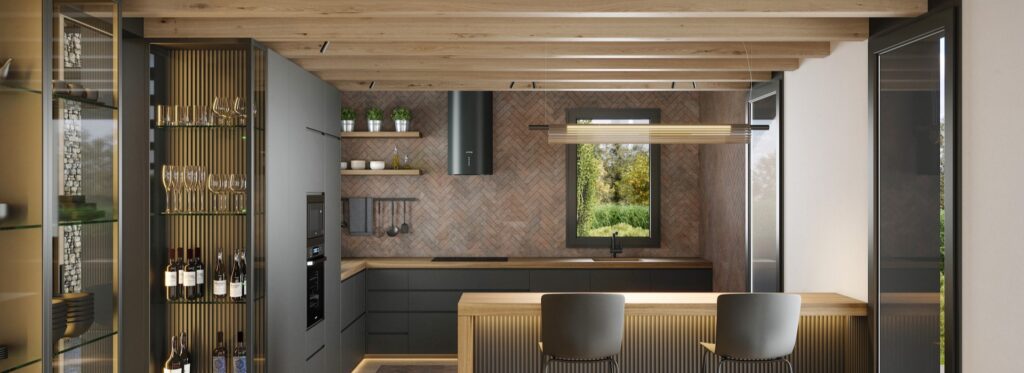
The private home in Cerdanya, credited to QART Studio on Insolit’s project page, includes Glass Floor among the luminaires used. The project, dated 2024, also incorporates other collections from the brand.
This reference offers a way to consider a floor lamp as part of a coordinated selection. When developing a project, it is useful to define the role of each piece and how their materials, proportions and lighting characteristics will relate to one another.
Bring Glass Floor into your project
Choosing a glass floor lamp means defining its place within the space: what it accompanies, where it is viewed from and how it contributes to the lighting.
If you are developing a residential, hotel or interior design project, you can contact Insolit to request information about Glass Floor, discuss adaptation possibilities and obtain a quotation suited to your project’s needs.
Frequently asked questions about glass floor lamps
They are generally described as glass lamps, with the type added to the name: floor lamps, table lamps, pendant lights or wall lights.
To narrow your search, you can specify the finish, such as clear, opal or fluted glass. “Chandelier” refers to a particular type of light fitting and is not a general name for all glass lamps.
Contemporary designs include vertical floor lamps, arc lamps, lamps with adjustable heads and sculptural pieces.
Within Insolit’s catalogue, Glass Floor is an option for those looking for fluted glass and a vertical composition. Explore the selection of designer floor lamps to discover other options according to the function of your space.
They can be placed beside a sofa, next to an armchair, in a bedroom corner or alongside a waiting area.
The position should allow comfortable use of the space, easy access to the switch and a connection that does not require the cable to cross a walkway. It is also worth checking direct views of the light source and reflections on screens.
They can be classified by shape, such as vertical, arc or tripod designs; by function, such as ambient or reading lamps; and by control features, such as dimming or adjustable direction.
These categories can overlap. A single lamp may have a vertical body, incorporate glass and allow its brightness to be adjusted.
There is no single height that suits every space. The choice should depend on the furniture, the position of the light source and the intended use.
For a reading area, check the light on the book and avoid an uncomfortable direct view of the source. For an ambient or sculptural piece, its proportions within the overall setting become more important. Before deciding, also check the base diameter and the space required around it.
That depends on its light distribution, its position and the illumination reaching the page. Glass is a material, not a guarantee of reading performance.
If the piece is chosen mainly for its decorative presence, check whether it needs to be complemented by a directional luminaire.