 Skip to content

Indirect light is a powerful tool in interior design that transforms spaces in a subtle yet impactful way.
Unlike direct light, which illuminates a specific area, indirect light scatters through surfaces, creating a welcoming and elegant atmosphere. This type of lighting can enhance the mood of any room, add depth and highlight architectural features.
In this article we explore the applications of indirect light in the interior design of your home and highlight some of our luminaires that can help you achieve that attractive and functional design with their indirect light.
6 applications of indirect light in your home
1. Creating welcoming atmospheres
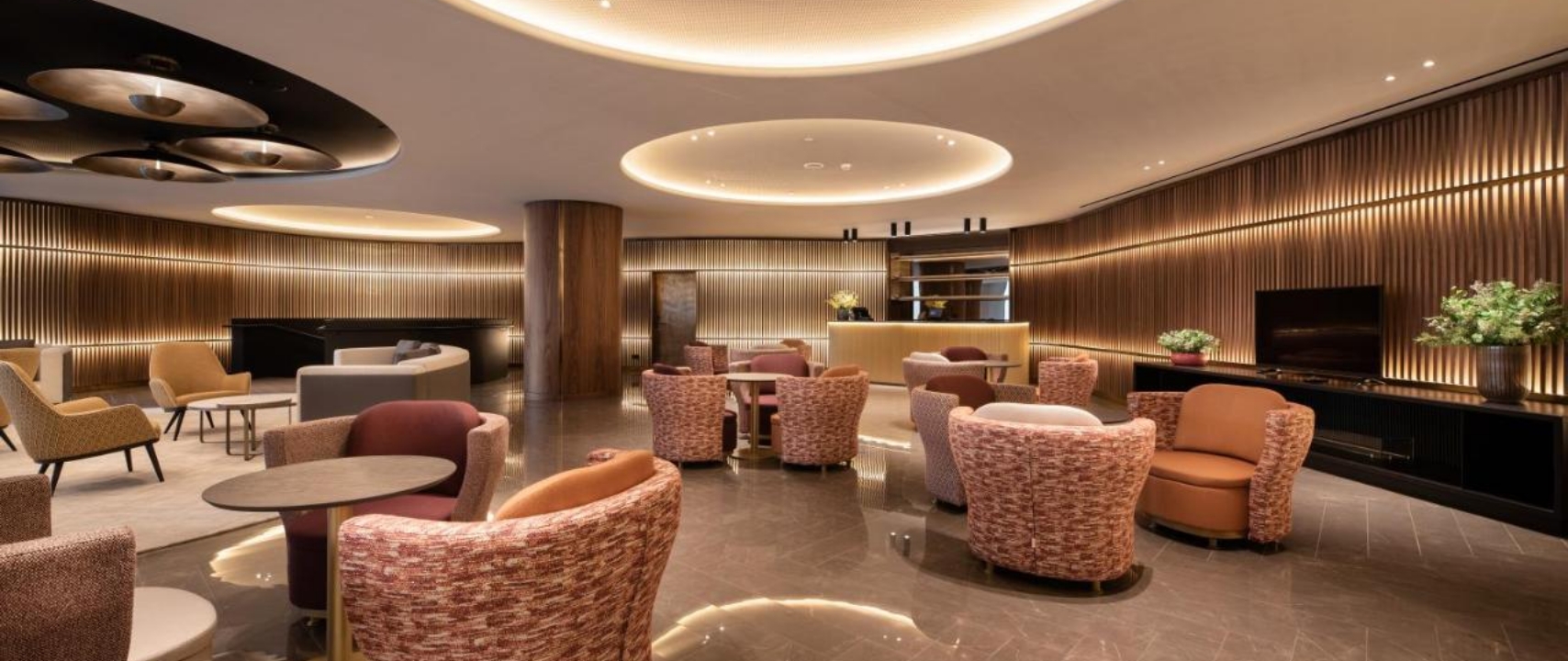
Indirect light is ideal for creating welcoming atmospheres in your home. By diffusing the light evenly, it avoids harsh shadows and excessive brightness. This is especially useful in living rooms and bedrooms, where a relaxing atmosphere is desired.
You can achieve this with recessed ceiling lights or LED lights hidden in cornices and skirting boards. These light sources provide a soft lighting that helps create a feeling of warmth and comfort.
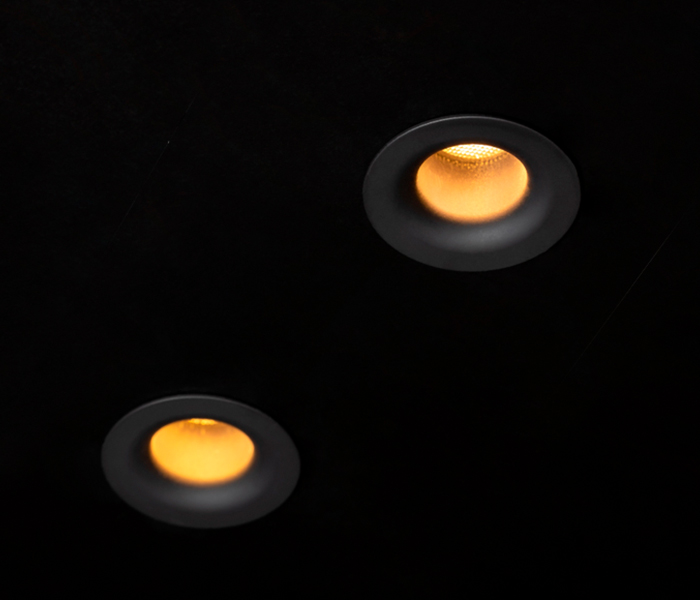
For this purpose, the Stick Hole model is undoubtedly a perfect option for those looking for discreet but effective lighting that enhances the beauty of interior spaces without sacrificing visual comfort. The depth of the light source ensures maximum visual comfort, making your home not only more attractive but also more welcoming.
2. Highlighting features of each space
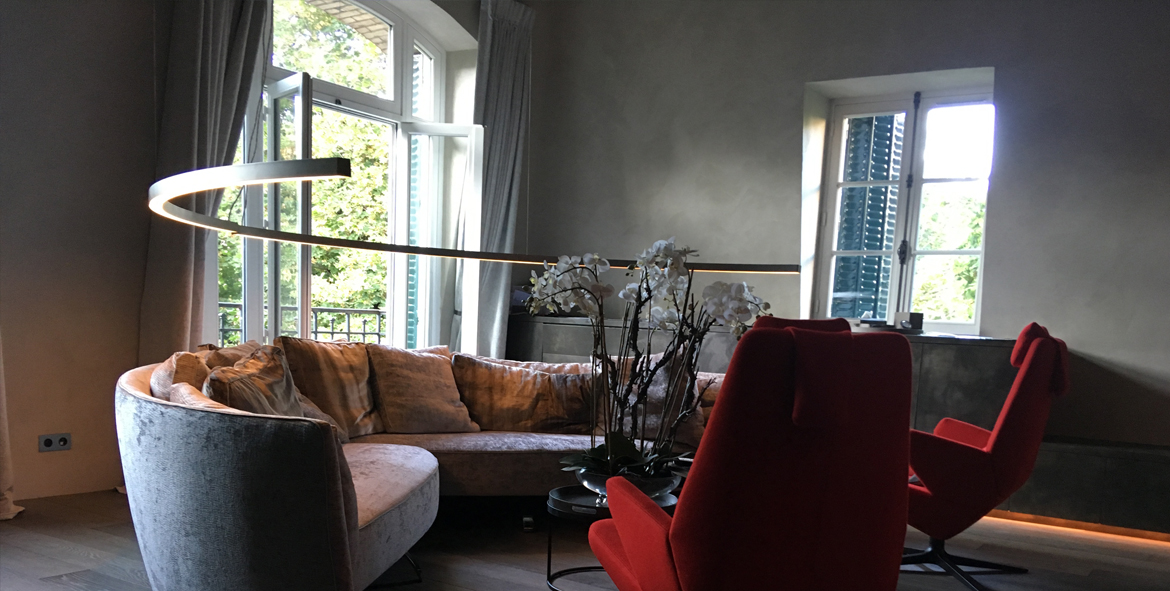
Indirect light is also effective for highlighting architectural features of a room. You can use it to accent textured walls, columns or stone cladding.
Indirect light, projected from hidden sources, creates a halo effect that highlights forms and textures without dazzling. This technique works well in living rooms and hallways, where you want to add visual interest without overloading the space.
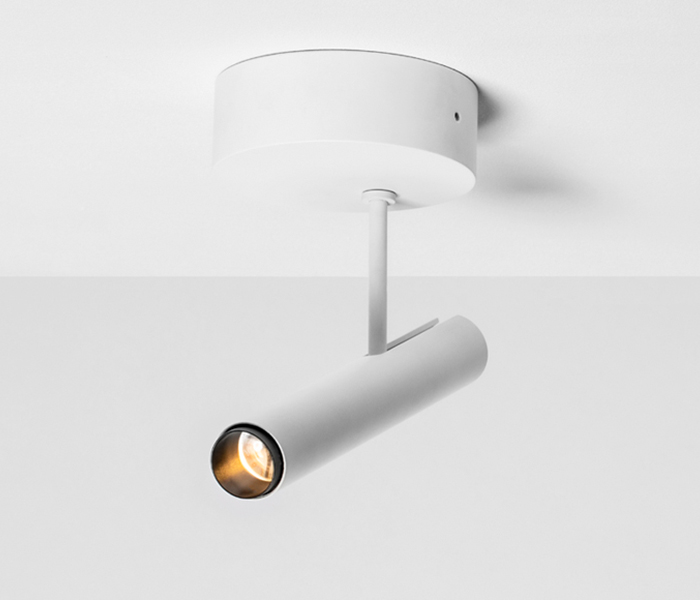
For this function, the Stick Ceiling model is the best alternative in our catalogue: a projector designed to highlight focal points.
3. Lighting functional spaces
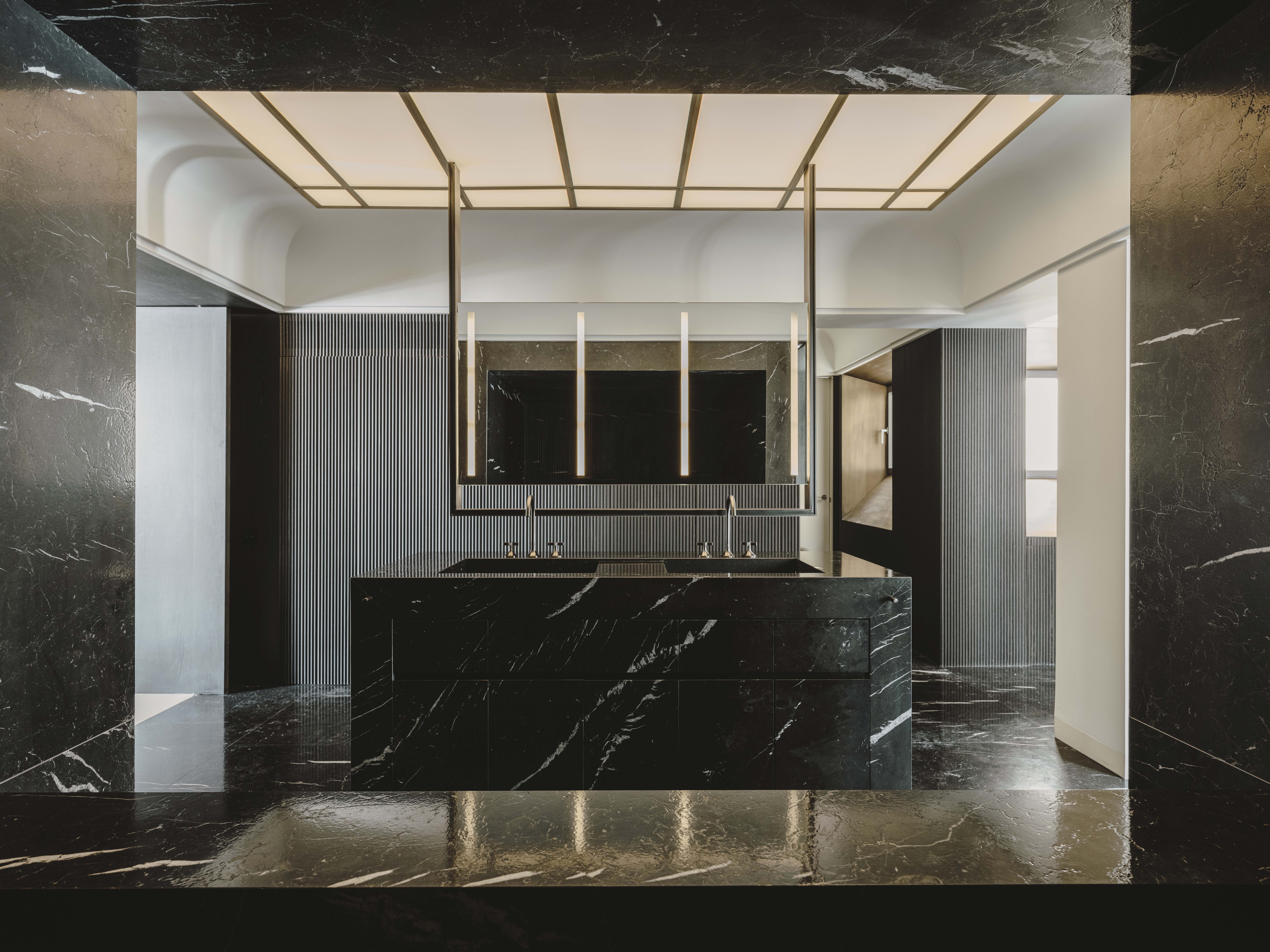
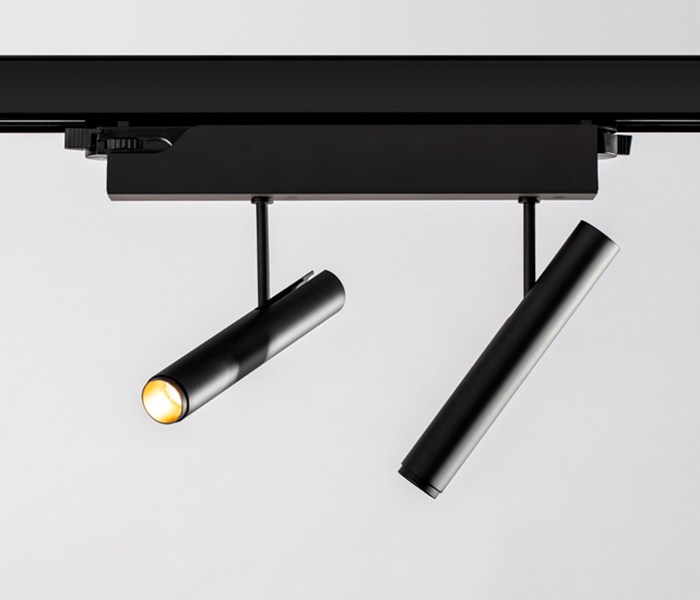
Indirect lighting is also useful in functional areas of the home, such as kitchens and offices, where a combination of functionality and comfort is needed. In kitchens, you can opt for the Stick Track model which, besides being functional, is aesthetically attractive. The Stick Track is an excellent option to light countertops and work areas in the kitchen without creating distracting shadows.
In offices, indirect lighting can reduce eye strain by providing soft, uniform lighting.
At Insolit we have a wide catalogue suited to this function, but a great option is the Basic model. This designer portable table lamp is ideal for adding a touch of indirect light to any corner of your home. Made of machined aluminium, it is not only resilient but also brings a modern, elegant touch to any space.
4. Creating transition spaces
Indirect light can also be used to enhance transition spaces between different areas of the home.
In hallways or staircases, LED strips hidden in steps or wall edges can provide a soft lighting that guides the way without being intrusive. This not only improves safety but also adds an aesthetic touch to transit spaces.
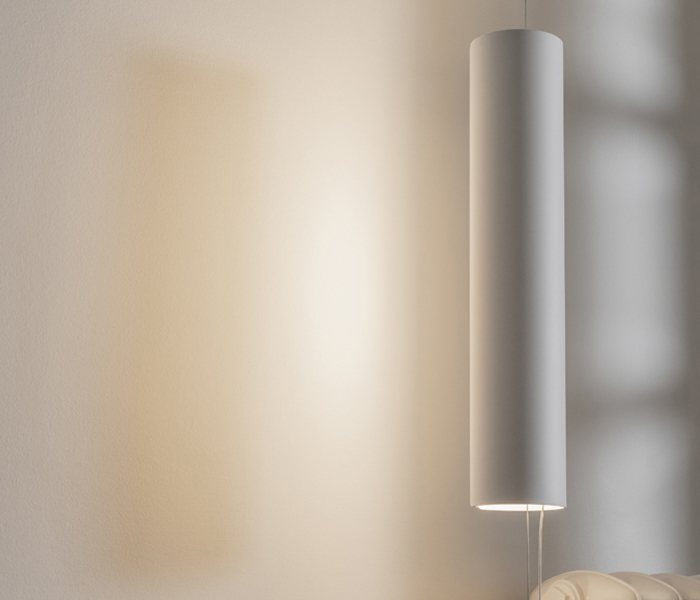
For this, suspended lamps such as the Inside Tensor model can be perfect for these places and functions.
5. Enhancing outdoor spaces
Indirect light isn’t limited to indoor spaces; it can also be effectively applied in the design of outdoor spaces.
Outdoor indirect lights can also enhance the beauty of landscapes and resting areas after dark.
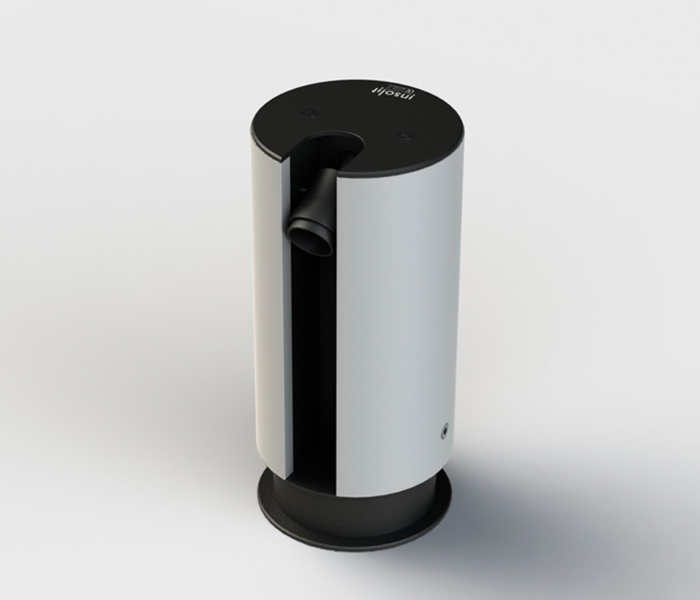
Our pick for creating indirect light in these spaces is the Banus model. A luminaire perfect for lighting paths, highlighting outdoor architecture or creating a focal point in specific garden areas. Its soft, warm light is also ideal for creating a relaxing atmosphere in outdoor lounging areas, making outdoor spaces just as welcoming as indoor ones, even after nightfall.
6. Creating visual effects
Besides outdoor spaces, indirect light is perfect for creating visual effects in interior design, adding depth and dimension to a room in a subtle but effective way.
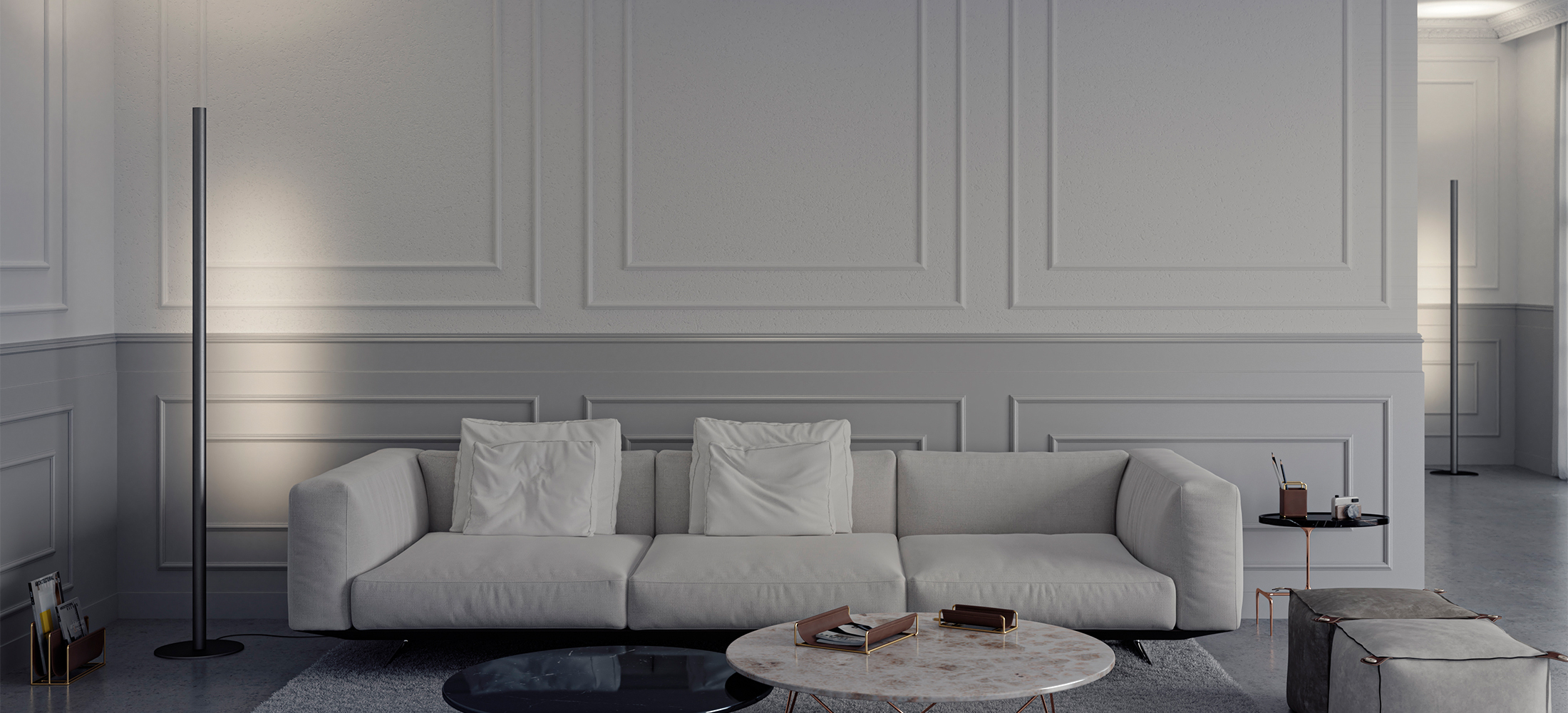
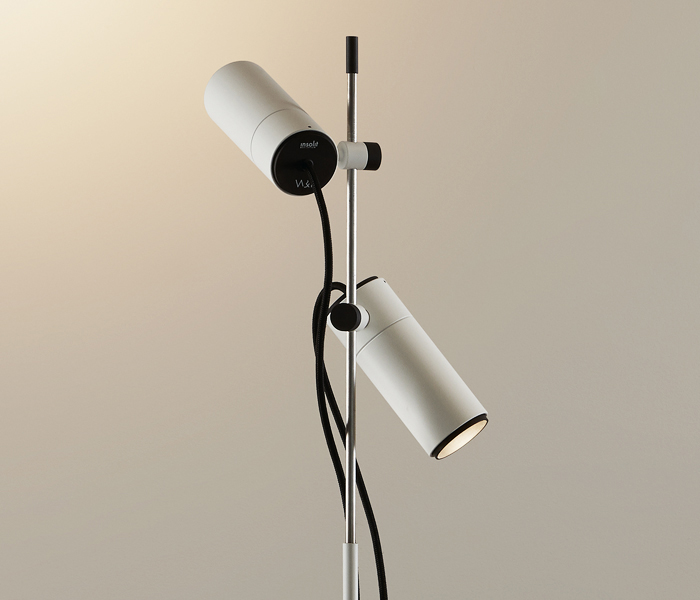
An excellent example of this is the Focus Line Floor model, a floor projector available in single or double versions, with a machined aluminium body that guarantees durability and a modern aesthetic.
Equipped with a front ring and rear cap in anodised matte black, the Focus Line Floor doesn’t only fulfil a practical function: it also acts as a distinctive design element that can completely transform a space.
In short, indirect light is a versatile and effective tool in interior design, offering multiple applications to improve the atmosphere and functionality of your home. From creating welcoming atmospheres to highlighting architectural features and functional spaces, indirect light can transform any room in a subtle yet impactful way.
By integrating indirect light into your home, you will not only improve the aesthetics, you will also create more comfortable and functional spaces to enjoy.
Advantages of indirect light at home
Indirect light is not aimed directly at the observer; it first bounces off ceilings or walls before being distributed through the space. This way of lighting brings a series of advantages that have made it an essential resource of contemporary interior design.
The first advantage is the elimination of glare: with the light source not striking the eye directly, visual comfort increases noticeably. The second is the softness of shadows: indirect light wraps around objects without creating harsh contrasts, which creates a more serene and welcoming atmosphere.
Added to this is a feeling of spaciousness — by lighting the ceiling, the space feels taller and more open — and a great aesthetic versatility, since indirect light lets you shape the atmosphere without the fixture itself being the protagonist. It is, in short, a tool for those looking for light quality and discreet elegance.
Frequently asked questions about indirect light
What is indirect light?
Indirect light is light that is not projected directly from the luminaire to the observer, but bounces first off a surface — ceiling or wall — and is then distributed diffusely through the space.
What advantages does indirect light have in a home?
It brings visual comfort by eliminating glare, softens shadows, creates a welcoming atmosphere and produces a feeling of spaciousness when it lights the ceiling. It is ideal for resting areas and atmospheres that aim for warmth.
How is indirect light achieved at home?
Through wall sconces with upward emission, floor lamps with light directed at the ceiling, LED profiles integrated into false ceilings or furniture, and luminaires specifically designed to distribute the light diffusely.
Discover pieces designed for indirect light in the Insolit wall lamps collection.