 Skip to content

Lighting is one of the most important elements in interior design, since it influences not only the aesthetics of a space but also its functionality and atmosphere.
However, it is easy to make planning mistakes that can affect both the visual look of a place and the wellbeing of those who live in it.
In this article we explore the most common mistakes in interior lighting and how to avoid them, ensuring your spaces are comfortable, attractive and functional.
5 common mistakes you are making in interior lighting
1. Not considering the lighting needs of each space
One of the most frequent mistakes when planning interior lighting is failing to take into account the specific needs of each area of the home or office. Each room should have a type of lighting that suits its function.
For example, the kitchen or the work desk needs bright and focused lighting, while the living room or bedroom requires softer, more relaxing light.
You may be interested in: How much light do I need in each room?
For this, it is important to know that each space requires a combination of lighting types to meet its needs. To avoid this mistake, divide the lighting into three essential categories:
- General lighting: the base light of the room. It must be uniform to illuminate the whole space in a general way. It can be achieved with ceiling fixtures or recessed ceiling lights.
- Task lighting: provides focused light for specific activities such as reading, cooking or working at a desk. Desk lamps or under-cabinet lights in the kitchen are perfect examples.
- Decorative lighting: highlights decorative or architectural elements. This includes accent lamps such as spotlights or recessed lights that direct the light onto artworks, plants or architectural details.
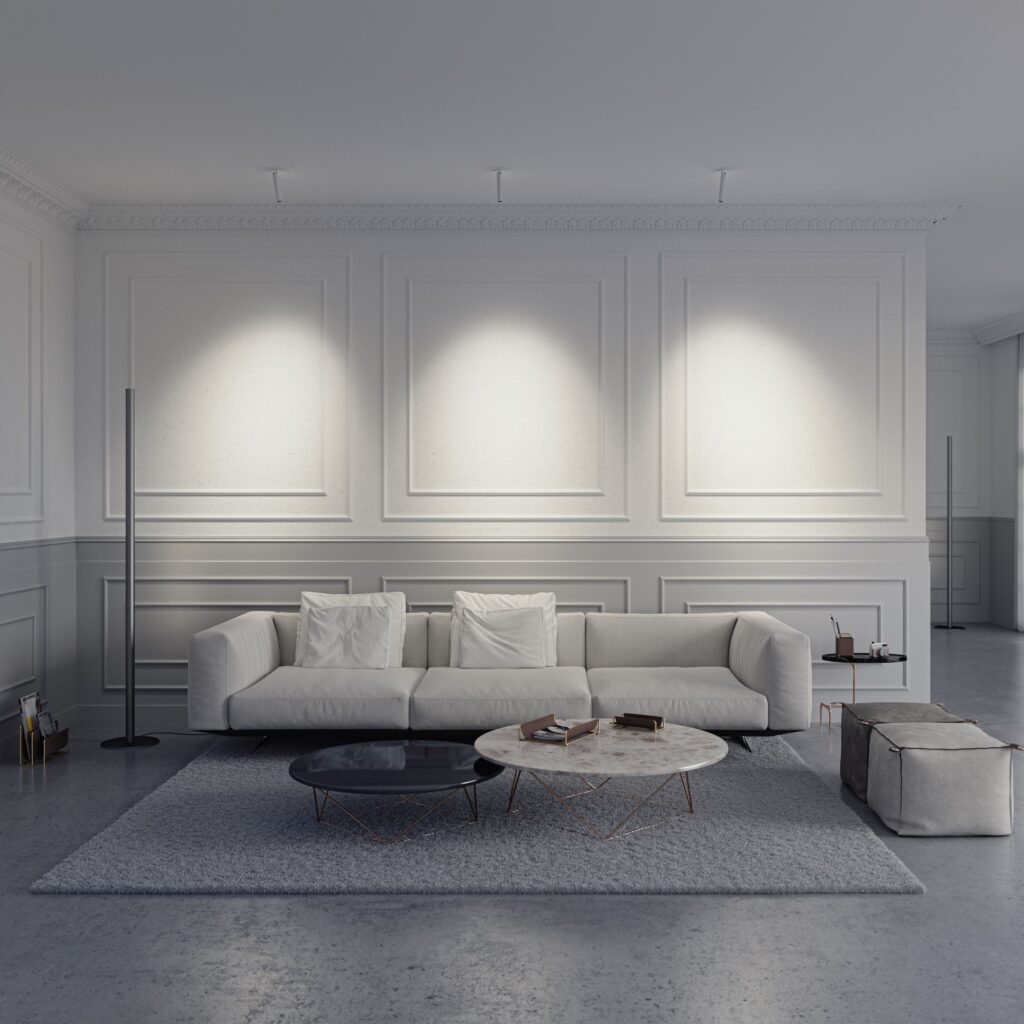
2. Lack of light layers
Lighting in a space should not depend on a single light source, like a central ceiling lamp. This type of lighting can result in unflattering shadows, creating a monotonous and flat atmosphere. Lacking various light sources also means the space loses dynamism and depth, affecting both its functionality and its aesthetics.
To avoid this mistake and create a more attractive setting, it is essential to incorporate layers of light. This means combining different types of lighting that complement each other. General, task and decorative light sources should work together to bring harmony to the space.
Table lamps, wall sconces, recessed lights or accent spotlights are excellent options to achieve the perfect balance. With this combination, you not only illuminate efficiently but also achieve a setting rich in texture and style.
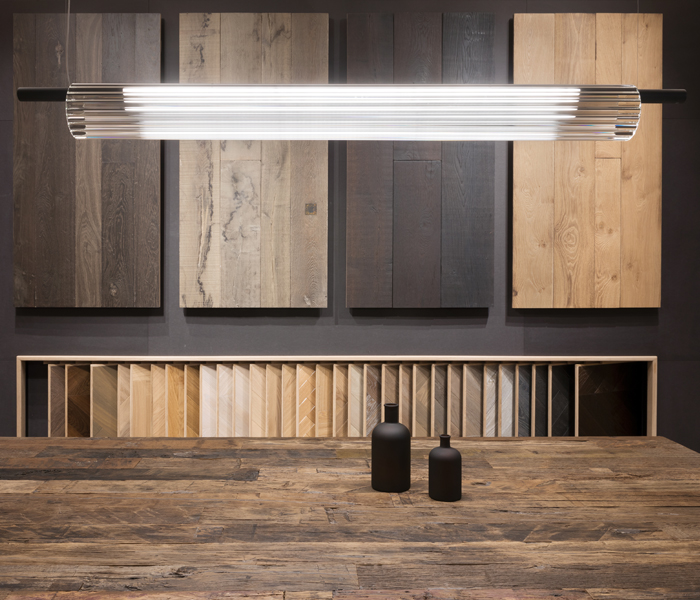
3. Placing lamps in the wrong spots
A common mistake when designing the lighting of a space is placing lamps in the wrong locations, where they don’t fulfil their function efficiently.
For example, reading lamps that are not aligned with the reading area, or lights in the kitchen that don’t properly illuminate the work surfaces. This kind of misalignment can make spaces look poorly lit and, in some cases, even uncomfortable for everyday activities.
To avoid this kind of mistake, it is important to make sure that lamps are placed strategically, so they provide the best possible light in each area. For example, when placing a desk lamp, it is fundamental to position it directly over the work area to avoid unwanted shadows and ensure adequate lighting for precision tasks.
Likewise, in the kitchen, special attention should be paid to work surfaces such as the countertop, where food is prepared, by placing lights that offer focused and glare-free lighting.
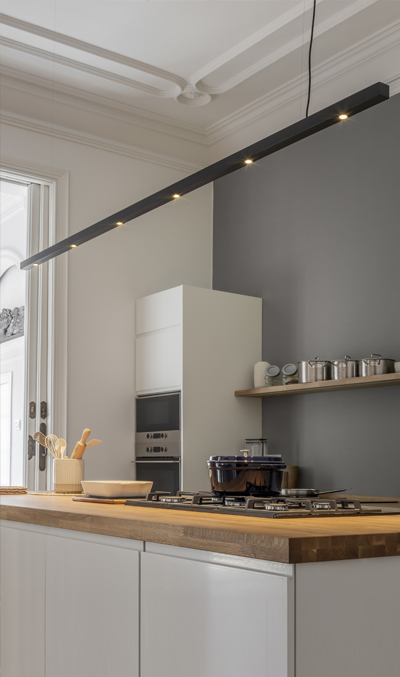
Also, in the living room or any other space where you want to highlight decorative elements such as artworks or architectural features, it is advisable to use accent lights.
These lamps don’t only improve the aesthetics of the place; they also allow you to highlight the most important details of the room. When planning the location of the lamps, always consider the function of each space and make sure the light reaches exactly where it is needed.
4. Lighting that is too bright or too dim
Light intensity plays a fundamental role in creating the right atmosphere in any space. If the lighting is too bright, it can be dazzling and cause discomfort, while light that is too dim can make the setting look gloomy and uninviting.
To avoid these issues, it is essential to choose bulbs with the right intensity for each room, depending on its function and the atmosphere you want to create. In addition, intensity regulators (dimmers) are an excellent option, since they let you adjust the light according to the time of day or the activity in progress.
This way, you can adapt the lighting to the specific needs of each moment, creating a more pleasant and functional atmosphere — soft light for the evening or brighter light for reading, cooking or other tasks that require more concentration.
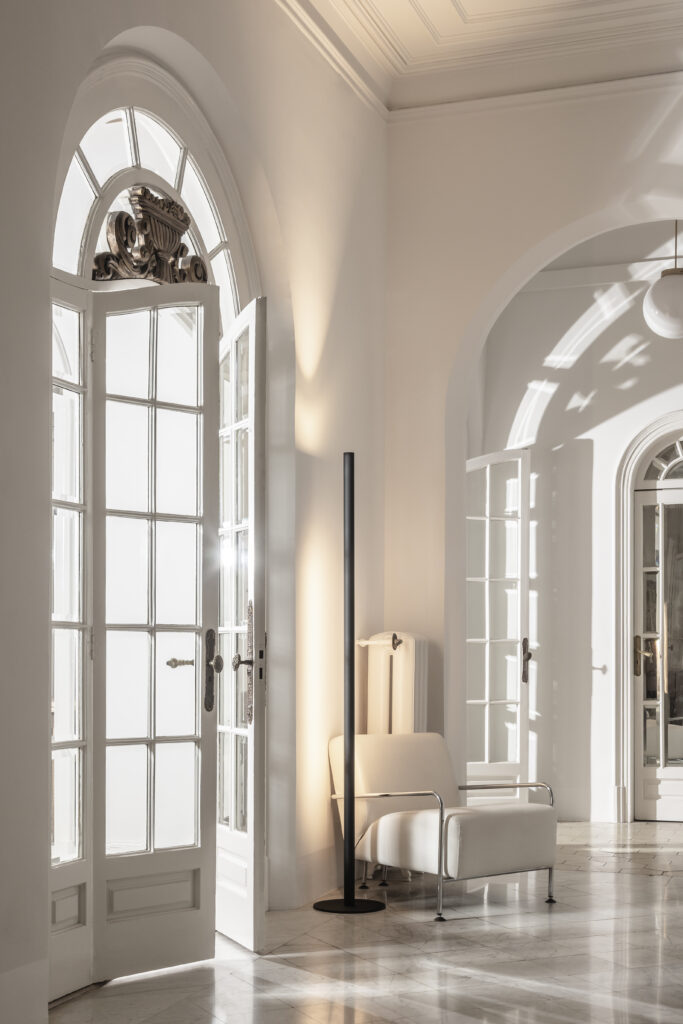
5. Neglecting the lighting of key elements
In many cases, the importance of properly lighting certain key elements within a space — such as artworks, plants or architectural features — is overlooked. These elements should receive special emphasis through directed lighting to prevent them from being lost in the dark and going unnoticed.
Using recessed lights, adjustable spotlights or wall sconces can be an effective solution, since these light sources can create a dramatic effect and highlight the beauty of important details. By directing the light onto these elements, you not only improve the aesthetics of the space, but also contribute to a more dynamic and attractive atmosphere.
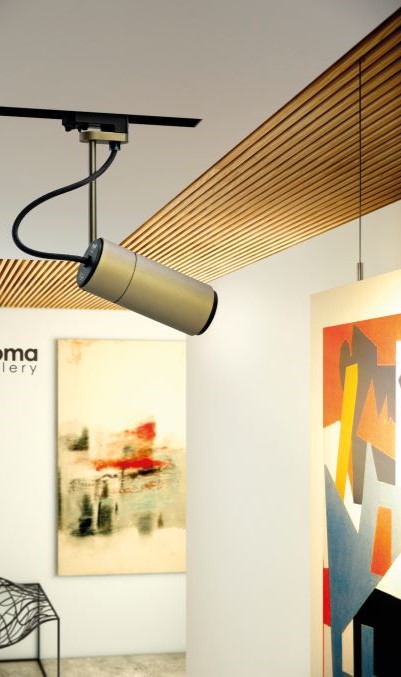
At Insolit we advise you on the lighting of your spaces
At Insolit we know that each space is unique and requires a personalised approach.
That’s why we offer expert advice to ensure that the lighting of your interiors not only fulfils its function, but also brings out the best of your design.
Whether you want to transform your home, office or a commercial space, we help you avoid common lighting mistakes and create perfect atmospheres.
We have a wide range of designer lamps adapted to different styles and needs. We advise you in the selection of the most suitable products, combining technology, aesthetics and energy efficiency to achieve the ideal atmosphere. Our lamps not only provide light, but also become decorative pieces that raise the quality of your space.
At Insolit we make sure every corner of your space is illuminated in an intelligent and balanced way.
Get in touch with us to start planning the lighting of your spaces!
Frequently asked questions about mistakes in interior lighting
What are the most common mistakes when lighting interiors?
The most frequent mistakes are relying on a single light source, ignoring layered lighting, choosing the wrong colour temperature, causing glare, underestimating task lighting and not planning for dimming control.
Why is it a mistake to use a single light source?
A single light source produces a flat space, without nuance or depth, and tends to leave areas in shadow. Layered lighting — general, task and accent — is the basis of a professional and comfortable result.
How can glare be avoided in interior lighting?
By choosing fixtures with anti-glare systems, avoiding leaving the light source exposed, relying on indirect light and properly orienting the spotlights. A light that dazzles takes comfort and quality away from the space.
Avoid these mistakes with quality lighting solutions: the Insolit designer ceiling lamps collection.