 Skip to content

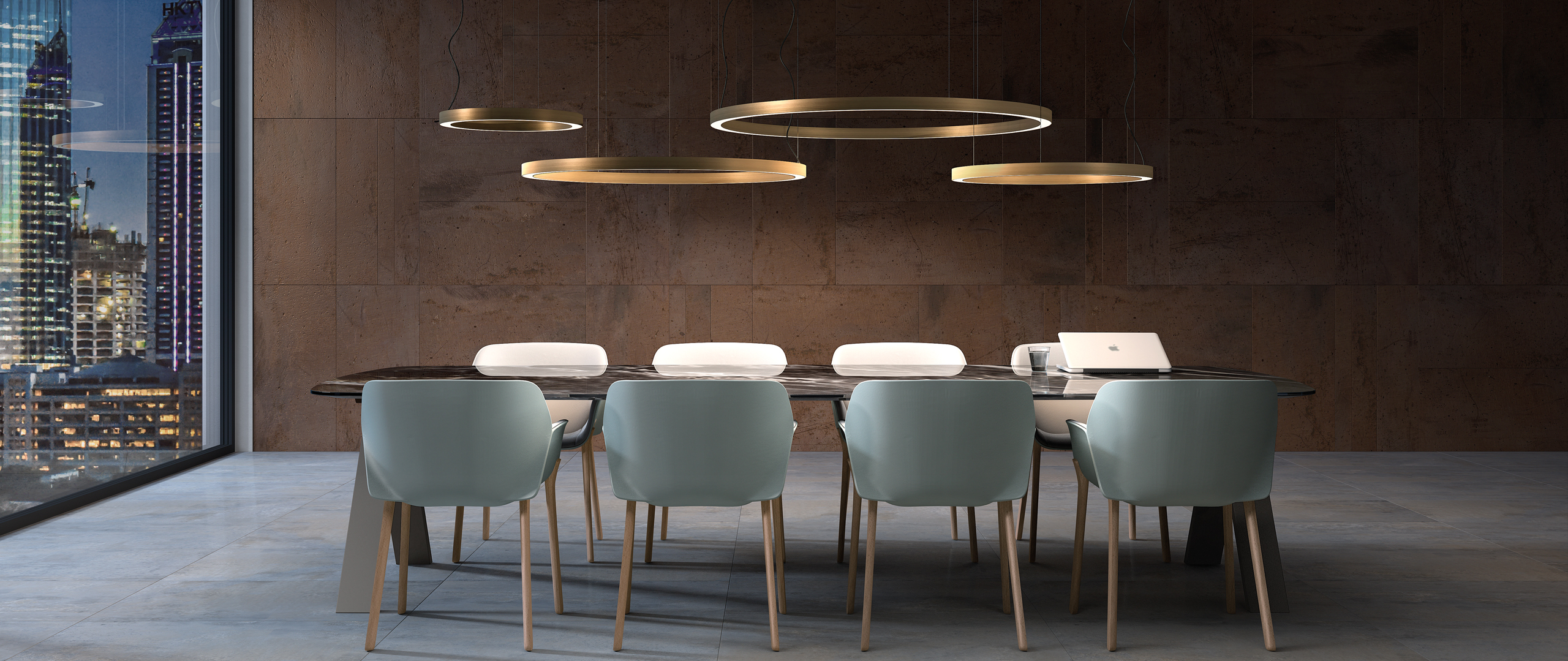
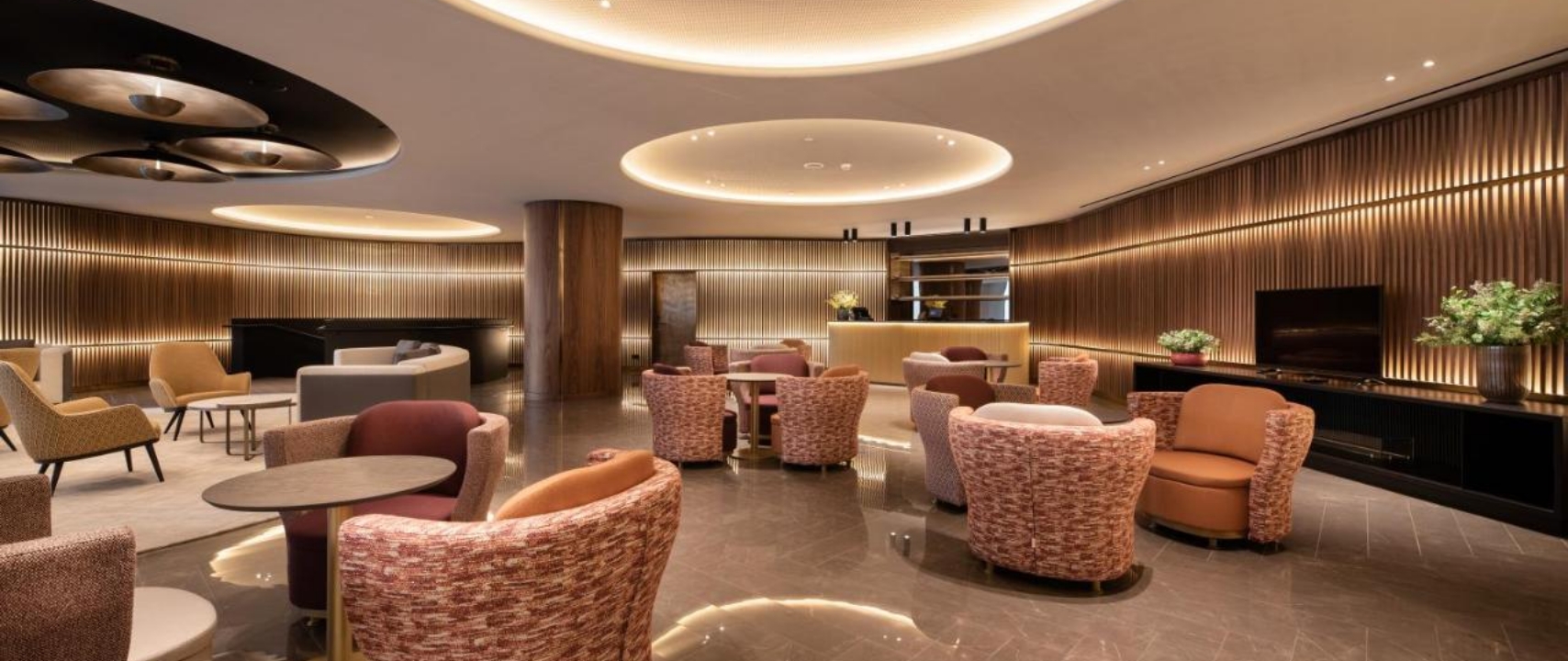
In the landscape of contemporary architecture, “Quiet luxury interior design” has moved beyond an aesthetic trend to consolidate itself as a solid building philosophy. Against visual saturation, this movement advocates for pause and restraint. In this context, lighting stops being a merely functional or accessory element and becomes the noblest material of the project, the only one capable of defining an atmosphere of serenity and bringing an elegance that needs no fanfare to be noticed.
Beyond minimalism: sensory richness and visual order
There is often confusion between Quiet Luxury and traditional minimalism, but the difference is substantial. While minimalism can lead to austere or cold spaces, quiet luxury pursues a deep sensory richness. It is not just about removing elements, but about a rigorous selection of pieces that bring comfort, warmth and sophistication.
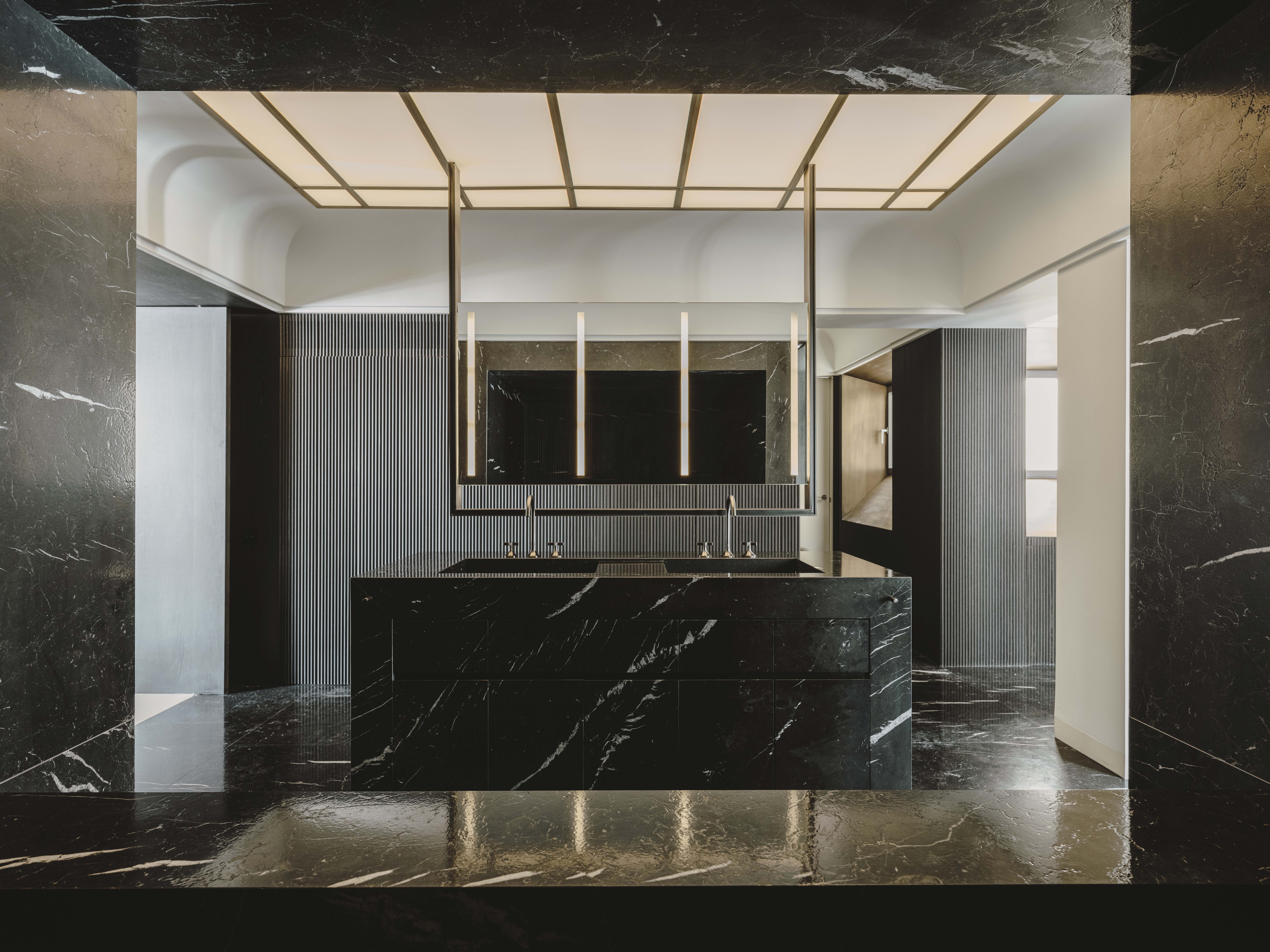
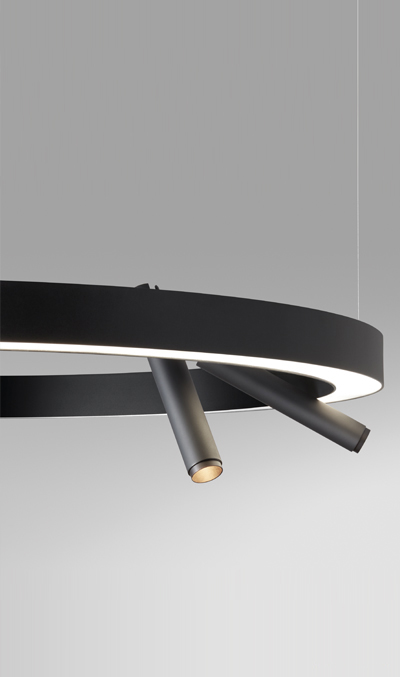
Lighting design is essential to avoid visual clutter. Inadequate lighting planning can break the harmony of the space, while a careful design brings hierarchy and calm. At Insolit, light is understood as a tool for spatial ordering. Luminaires that bring a constant vertical rhythm, such as the TR Down Stick, let you “order” ceilings and guide the gaze, bringing character without breaking the visual calm of the environment.
Layered lighting for an enveloping atmosphere
To achieve the depth and enveloping character typical of “Quiet luxury interior design”, it is essential to work with light stratification (lighting layering). A space lit in a flat way loses its three-dimensionality; on the contrary, combining systems generates volume and restrained drama.
- Architectural lighting: the use of coves or linear integration systems lets you draw the space and define volumes without the light source being the protagonist, leaving all the spotlight on the architecture.
- Accent light: high-precision projectors are key to highlighting artworks or structural elements, creating focal points of interest.
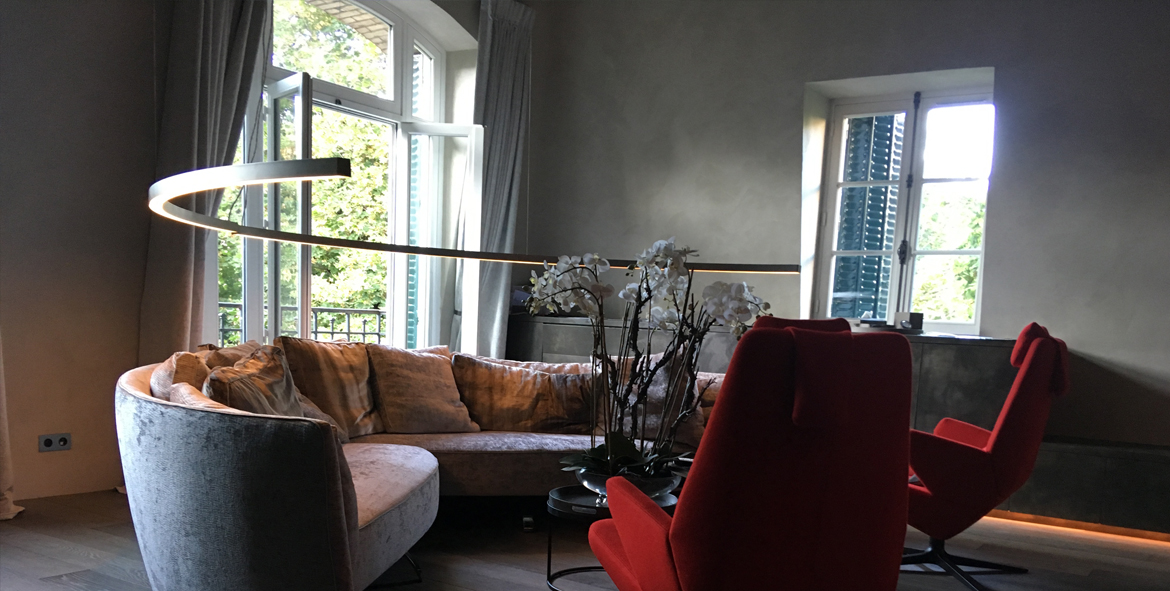
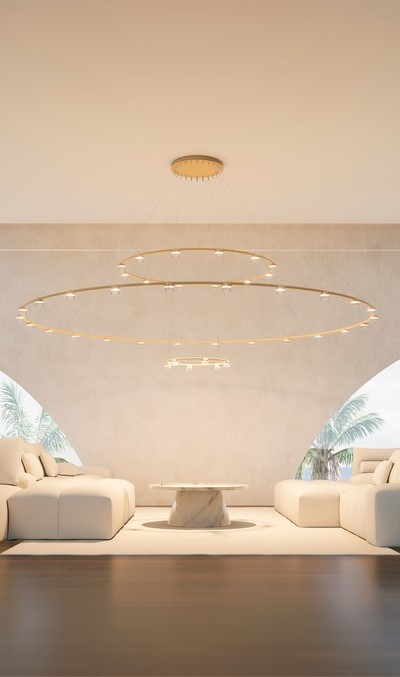
- Sculptural decorative light: suspended pieces act as jewellery on the ceiling. The TR Collection, with its thin and geometric structure, exemplifies this function: it brings physical presence and sophistication, but keeps absolute visual lightness that respects the air of the space.
This overlap of layers allows the space to transform and adapt to the different rhythms of the day, improving the user’s experience and bringing an extra dose of comfort.
Timelessness and constructive sustainability
Quiet luxury is, above all, an ethical commitment to longevity. The choice of noble materials — solid woods, natural stones — demands lighting solutions designed to last, moving away from the culture of the ephemeral.
At Insolit, the vision of permanence is central. Luminaires are not designed for a season, but to age with the same dignity as the architecture they inhabit. We invest in robust manufacturing in machined aluminium and optical glass, honest materials that guarantee technical and aesthetic durability, in line with the sustainability values inherent to this style.
Technical dialogue: taupes, sands and warm lighting
The colour palette of Quiet Luxury avoids aggressive contrasts, favouring taupe, warm greys, creams and muted greens. These colours have a chameleon-like quality and their perception depends radically on the quality of the light they receive.
Poor technical lighting tends to flatten these tones, draining their life. To reveal their true warmth and nuances, it is critical to work with a high CRI >90 (Colour Rendering Index) and an appropriate colour temperature (2700K). Pieces such as the Dew luminaire or the TR Moon series are ideal for this purpose: with dimming, they let you fine-tune the atmosphere to the millimetre, recreating that “refuge” atmosphere and softness essential to comfort in residential and hospitality projects.
Textures that come alive: the art of wall grazing
Since quiet luxury is eminently tactile, highlighting materials such as velvet, silk or honed marble, grazing light (wall grazing) becomes a preferred technique. The strategic placement of linear profiles close to vertical walls makes it possible to emphasise the roughness and natural imperfection of the materials.
To achieve this dramatic but restrained effect, we use high-precision tools such as our Focus Line series. Its specific optics avoid glare and focus the beam only where it adds value: on the texture. This subtle play of lights and shadows brings character to the room without the need to add superfluous decorative elements.
The excellence of ‘Made in Barcelona’
In a globalised market, traceability and origin take on a new value. The anonymity of mass production is perceived as noise; knowing who, how and where a piece was made is silence and exclusivity.
There is an intangible luxury in knowing that a luminaire has been machined, assembled and verified by hand in Barcelona. This proximity allows absolute control over the constructive detail — from invisible joints to hand-textured finishes — that mass industry can rarely replicate. Our luminaires bring tangible value to the project, speaking a language of quality and constructive honesty that the expert eye recognises instantly.
Bespoke: perfect adaptation to the space
Standardisation often breaks the harmony of a singular project. That is why bespoke customisation stands as a fundamental pillar of this design philosophy.
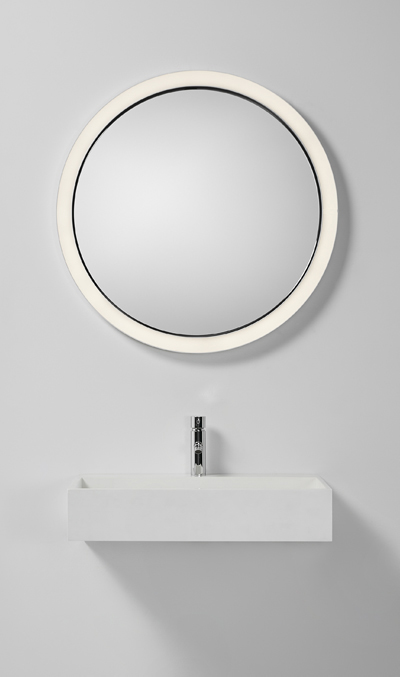
Adapting the length of a linear system so it aligns to the millimetre with the furniture, or customising a finish in a specific RAL tone to integrate it into the ceiling, turns the lighting into an organic extension of the design. It is in this close collaboration between the architect’s vision and our workshop’s engineering that “Quiet luxury interior design” takes on its full meaning.
It is our way of understanding light: creating spaces where elegance lies in serenity, balance and the perfection of detail.
How to apply quiet luxury to lighting
Quiet luxury is an aesthetic current that defends a discreet luxury, based on the quality of materials and the perfection of execution rather than on ostentation. Applied to lighting, it translates into a series of very concrete principles.
The first is formal restraint: luminaires with refined geometry, without superfluous elements, that do not seek to draw attention but to integrate naturally into the space. The second is material nobility: machined aluminium, anodised finishes, hand-crafted glass; materials that age well and that feel of quality to the touch and to the eye.
The third is the quality of light over effect: a high colour rendering index, a careful colour temperature and the absence of glare. In quiet luxury, the luminaire does not shout; it whispers. And it is precisely that silent elegance that defines a truly sophisticated project.
Frequently asked questions about quiet luxury and lighting
What is quiet luxury in interior design?
Quiet luxury is an aesthetic current that embraces a discreet luxury, based on the quality of materials, craftsmanship and formal restraint, rather than ostentation or eye-catching elements.
How is quiet luxury applied to lighting?
Through luminaires with refined geometries, noble materials, quality finishes and, above all, carefully crafted light: the right colour temperature, a high colour rendering index and the absence of glare.
Which materials define quiet luxury?
Noble and durable materials such as machined aluminium, anodised finishes, hand-crafted glass and stainless steel, which age well and convey quality without resorting to ostentatious elements.
Discover the silent elegance of the Insolit pendant lamps collection.