 Skip to content

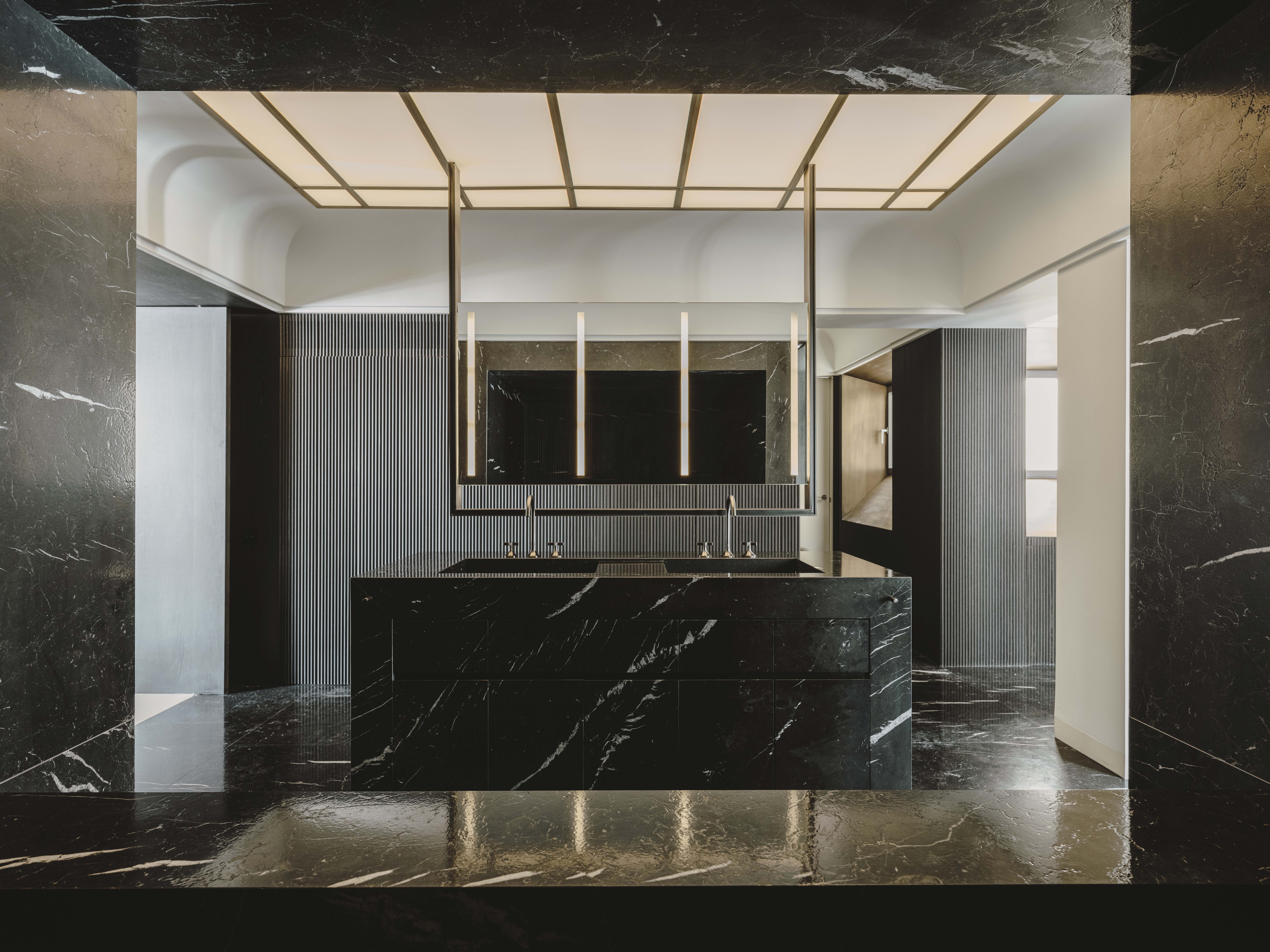
Lighting design is the process of deciding how light should behave within a space before choosing the luminaires that will produce it. It means considering what needs to be seen, which activities will take place, which elements require visual hierarchy, how materials will be perceived and how the atmosphere will change throughout the day.
In architecture and interior design, a single luminaire should not be expected to resolve an entire space. General lighting, task lighting, accent lighting and the visual presence of the luminaires themselves can be layered to create depth. The final choice of luminaire comes later, once its function and its relationship with the scale and materiality of the project are clear.
This approach is particularly relevant in residential projects. A dining table requires a different strategy from an open-plan living room, a stairwell or a double-height space. Even within the same room, several layers of light may be needed.
What should good lighting design resolve?
Before considering models, finishes or forms, it is useful to answer five questions: what activities will take place, where light is needed, which architectural features should be given prominence, how the luminaire will be seen from different viewpoints, and which lighting scenes the space will require.
The floor plan helps us understand circulation and use, but the section is just as important. A pendant above a table relates to a specific horizontal plane. In a staircase or double-height space, however, the luminaire may be viewed from several levels and become part of the way the entire void is perceived.
Surfaces also matter. The same amount of light can create very different perceptions on a pale ceiling, a stone wall, timber, metal or glass. Lighting design is therefore not simply about achieving a particular light level. It is about deciding where light appears and what it reveals.
Layers of light: a practical way to structure the project
There is no single universal classification, but in interior design it is useful to work with four functions that can overlap.
General lighting provides the basic visibility required throughout the space. It does not have to come from a single central luminaire. It can be created through indirect light, pendants, ceiling luminaires or several distributed sources.
Task lighting responds to a specific activity. Above a table, worktop, reading area or desk, the position of the light can be just as important as its intensity.
Accent lighting creates hierarchy. It can draw attention to an artwork, texture, object, wall or architectural feature.
Finally, decorative lighting introduces the luminaire itself into the visual language of the interior. The piece remains perceptible even when switched off, but its formal value does not remove the need to assess the light it actually provides. This distinction is especially useful when working with designer luminaires.
The key is not to treat these categories as isolated compartments. One luminaire may perform more than one function. What matters is understanding those functions and avoiding the assumption that a decorative piece will automatically meet every lighting requirement.
Design the light first, then choose the luminaire
A common mistake is to begin a project with a product photograph. For architects and interior designers, reversing that process is usually more useful.
First, define what the space needs. Then decide whether direct, indirect, focused or diffused light is appropriate. Next, consider scale, position, dimming, colour temperature, colour rendering and maintenance. Only then does it make sense to compare specific luminaires.
This approach also makes it possible to combine different families within the same project. Insolit’s current catalogue includes collections with very different behaviours, from circular and linear systems to diffused glass luminaires, adjustable spotlights, wall lights and portable pieces. They do not all respond to the same requirements or offer the same configurations.
How a luminaire can define the dining area
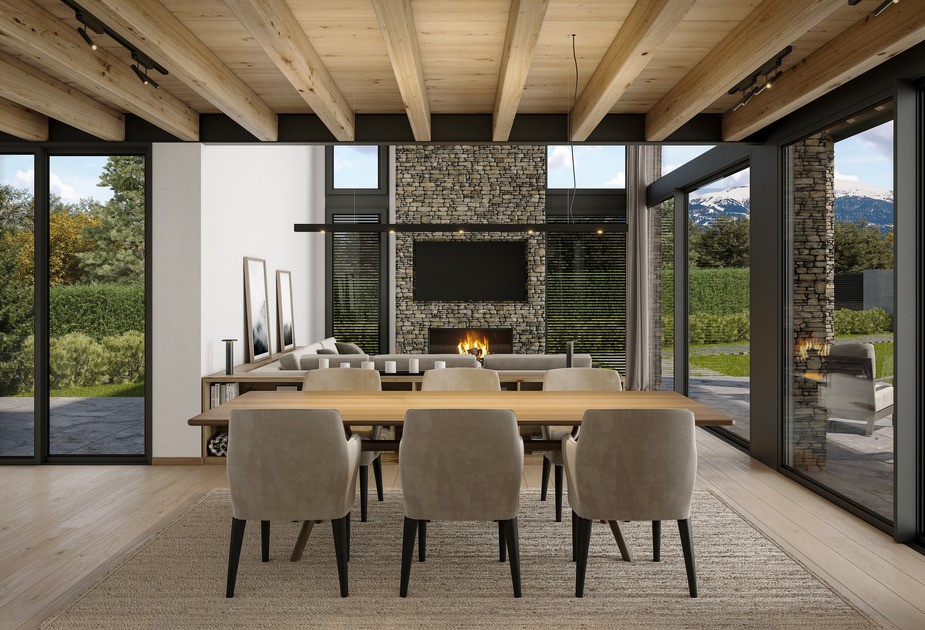
The dining area clearly demonstrates the relationship between light and architecture. In an open-plan interior, a pendant can make the dining zone legible without partitions or changes in material. The geometry of the luminaire also establishes a visual relationship with the table beneath it.
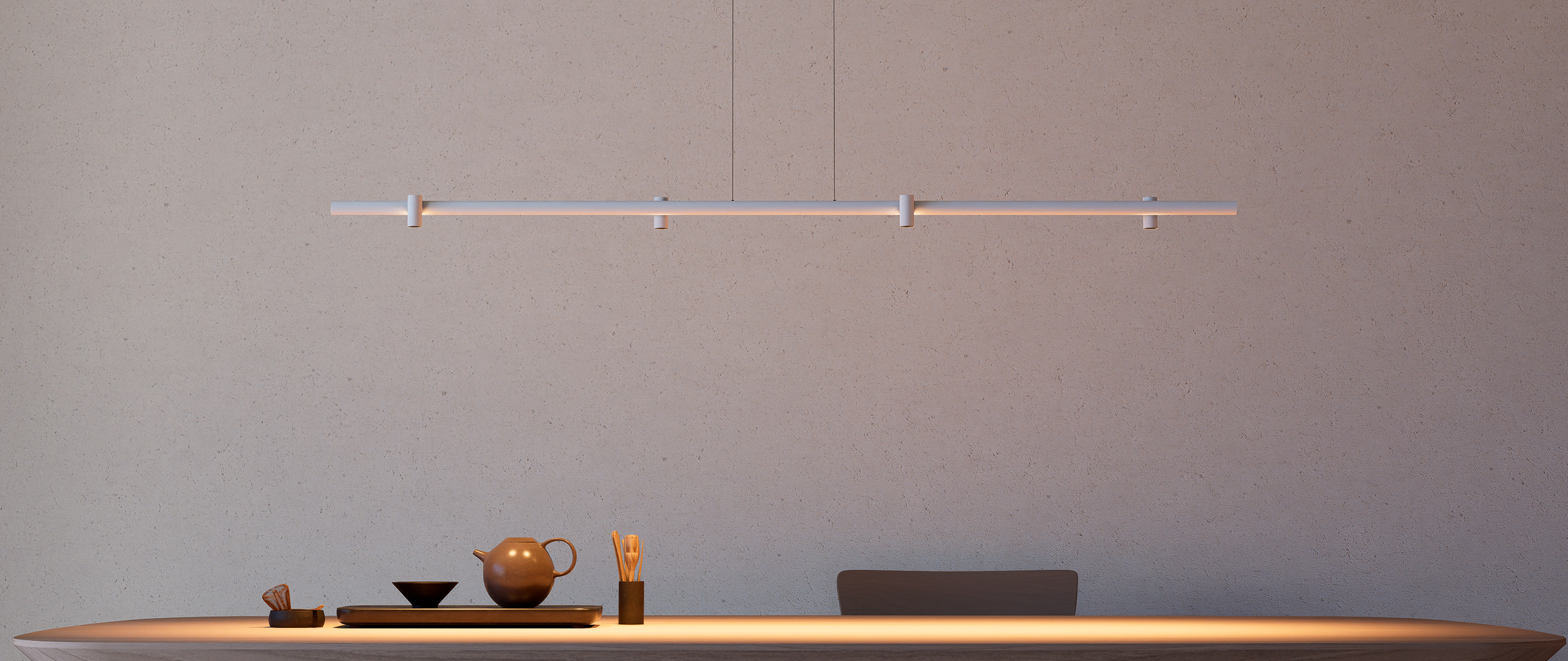
For a long table, for example, a linear solution may follow its proportions more naturally than a highly concentrated central piece. TR Line, designed by Josep Lluís Xuclà, is a linear aluminium pendant with integrated focal spotlights for direct light. The published range includes lengths from 120 to 300 cm, 2700 K and 3000 K options, and different control possibilities depending on the configuration. The product page also describes it as height-adjustable and customisable.
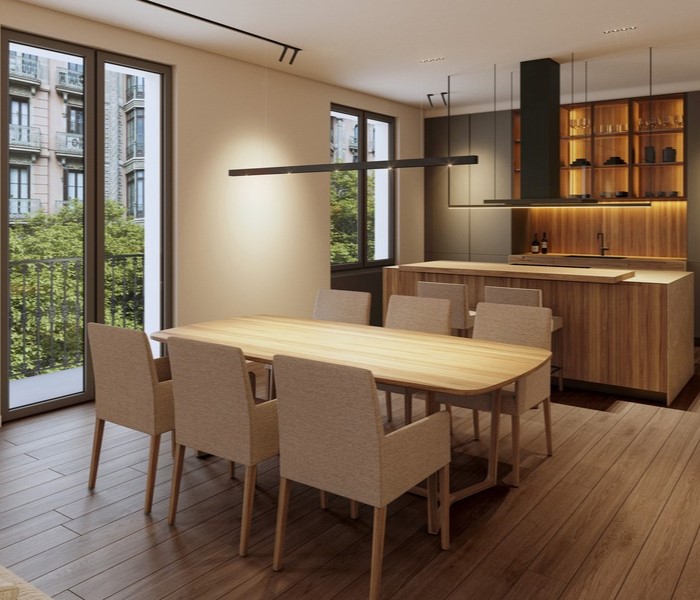
The important decision, however, is not simply to choose a linear luminaire because the table is rectangular. The actual length of the table, the position of diners, sightlines, ceiling height and the other layers of light that will accompany the pendant all need to be considered.
In a dining area integrated with a living room and kitchen, for example, the light above the table can create a recognisable visual centre while other sources address walls, circulation and seating areas. This avoids turning the entire open-plan space into a uniformly lit environment.
How to light a double-height space without losing scale
A double-height space presents almost the opposite problem. The luminaire is not only related to a working plane, but to a void.
Scale therefore needs to be studied in section. The size of each element, the suspension length, the levels from which it will be viewed and its relationship with stairs or walkways all affect the perception of the composition.
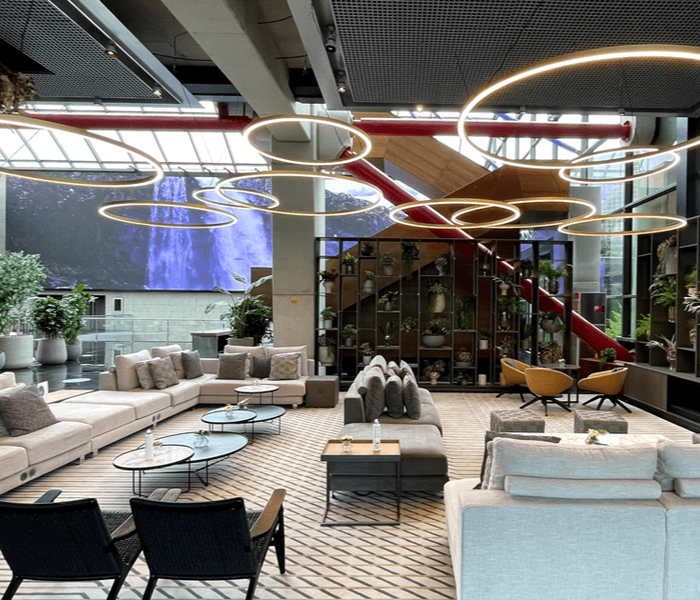
A residential project published by Insolit illustrates this clearly. In a private residence completed in 2015, SALADIE LLUM commissioned a composition of TR luminaires for a stairwell. The circular elements combined upward and downward light and were perceived together as a single composition approximately five metres high. The project is credited to Jordi Saladié.
View the private residence project
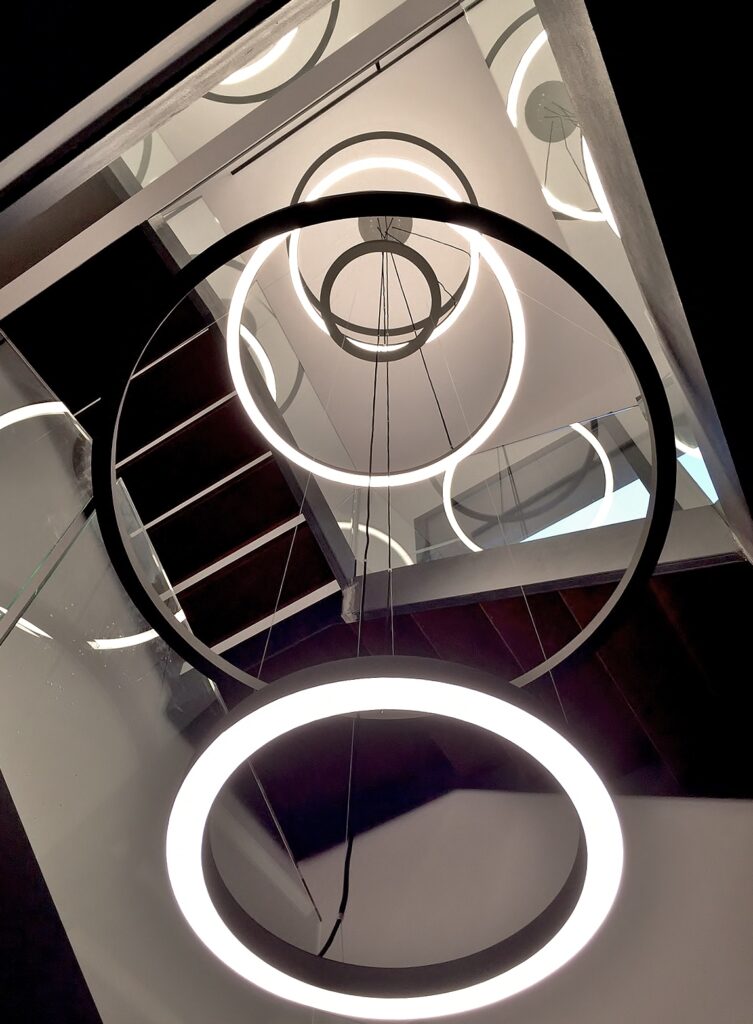
The project demonstrates an idea that can be applied elsewhere: a tall void does not always require one larger luminaire. Repetition, vertical spacing and different suspension levels can themselves become part of the solution.
Insolit also has a dedicated guide to luminaires for high ceilings and double-height spaces, where suspension heights and different typologies are explored in greater detail.
Learn more about lighting high ceilings and double-height spaces
Light and materials: lighting a surface is not the same as lighting the space
Materiality changes the way we perceive light. A textured wall can gain depth when the light emphasises its relief. A highly reflective surface may require greater attention to glare. Dark timber absorbs and returns light differently from a white wall.
Before deciding on colour temperature or the finish of a luminaire, it is therefore worth asking which material needs to be read and from which direction it should receive light.
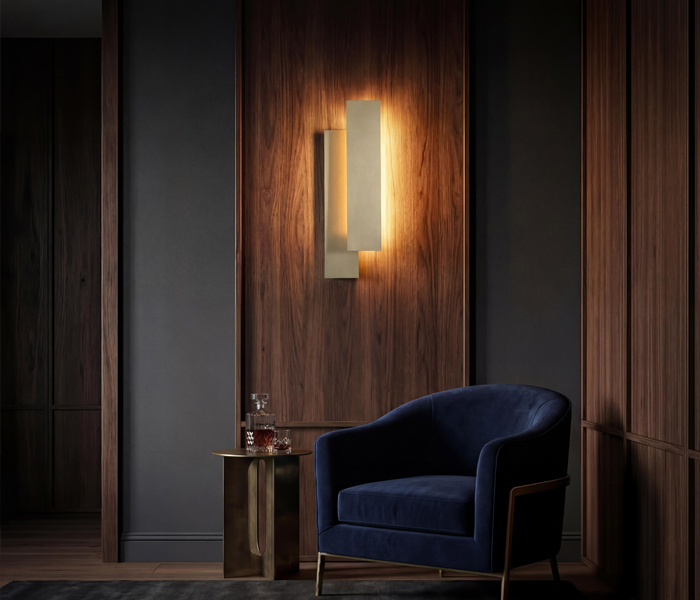
Plaqué, designed by Josep Lluís Xuclà, offers an example of a direct relationship between luminaire, wall and shadow. It is an aluminium wall light with a polycarbonate diffuser and dimmable LED light controlled by an integrated dimmer. The collection also includes unlit panels in two depths, conceived to build compositions around the luminaire and work with light and shadow. Its product page also confirms that Plaqué is customisable.
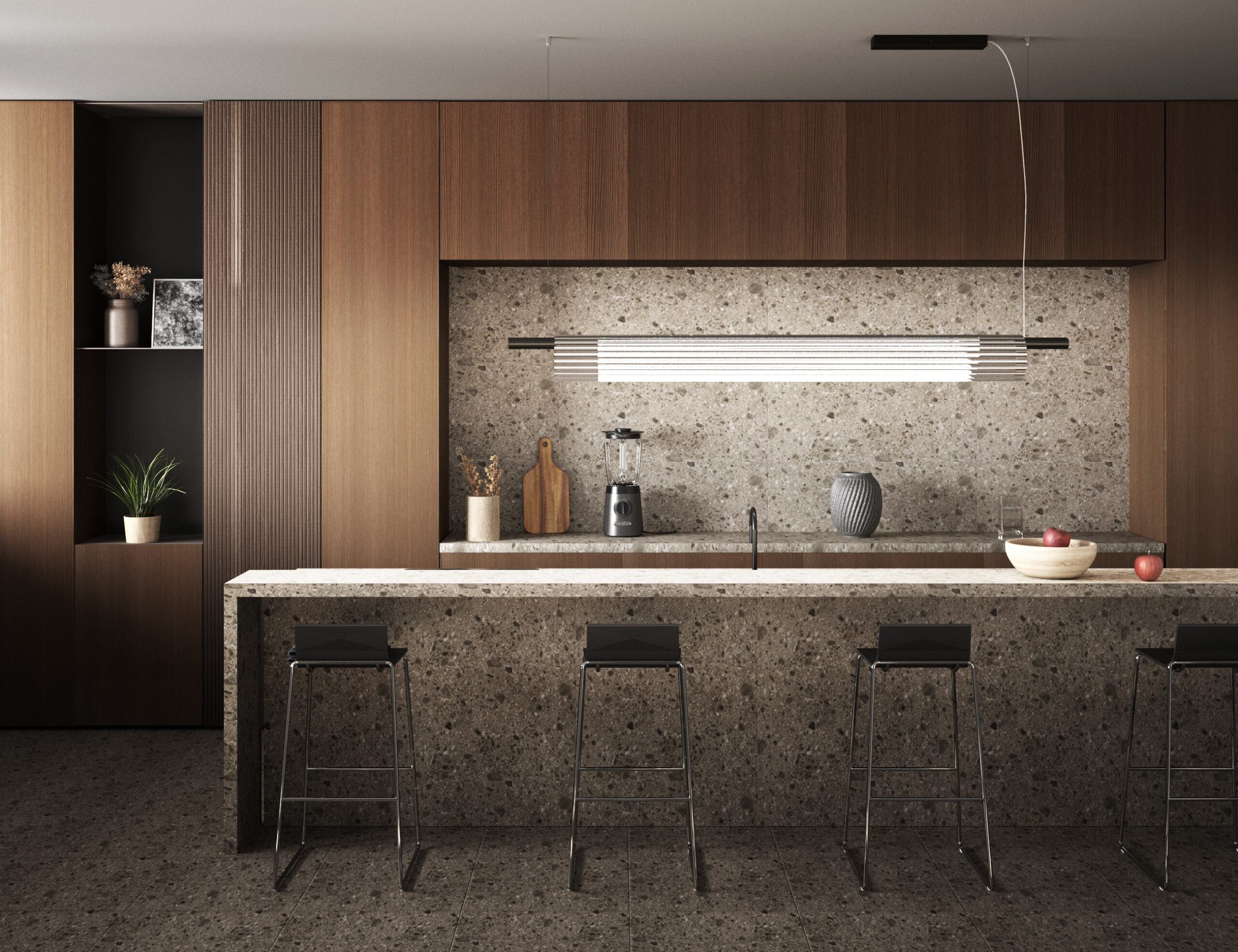
Glass establishes a different material relationship. The collection uses ribbed glass tubing and a steel body, making both the diffusion of the light and the presence of the glass part of the luminous object. The published Glass version is available in three lengths, and its product page states that the luminaire is height-adjustable and customisable.
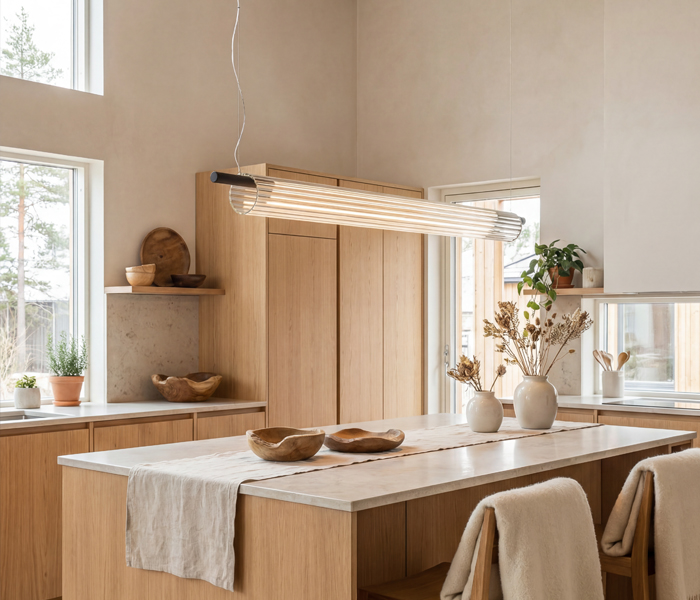
These are two different strategies. One uses the wall, depth and shadow as part of the composition. The other makes illuminated glass the protagonist. The choice between them should depend on the spatial intention, rather than on which piece appears more striking in isolation.
Designing scenes for different ways of living in a home
A home is not used in the same way at every moment. Cooking, receiving guests, reading or moving through the space at night can require different relationships between light sources.
In a private home in Barcelona completed in 2020 and designed by QART Arquitectura, artificial light becomes particularly important in the central area of the apartment. According to the project page, Insolit luminaires and a DALI system were used to create different scenes related to domestic routines. Special luminaires were also manufactured, integrating linear light, a Stick spotlight and small spots, aligned with the central piece of furniture that organises the space.
View the private home in Barcelona
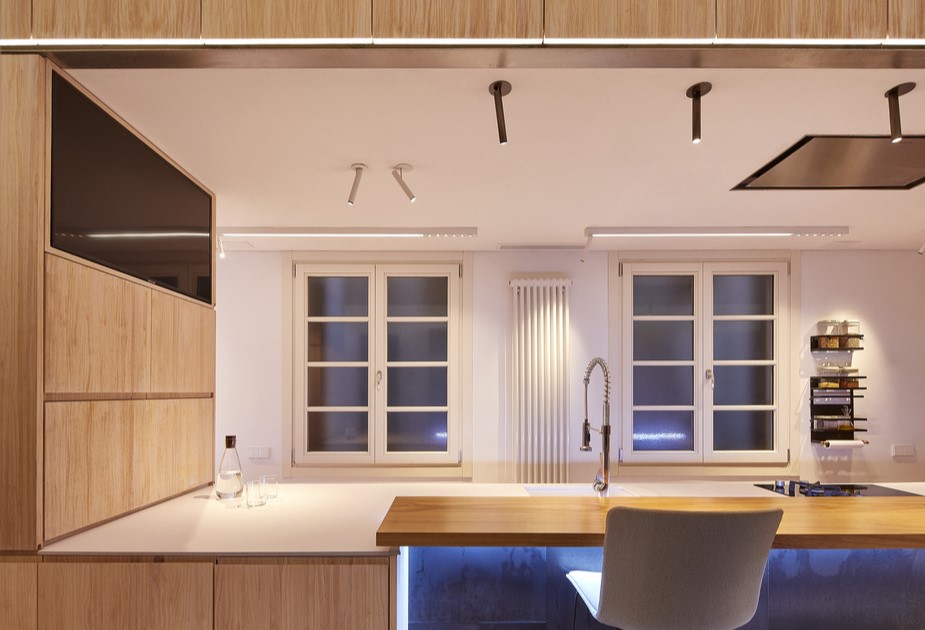
The value of the example is not in reproducing the same solution in another home, but in understanding the method: connecting light, furniture, circulation and activity. The scene used for cooking does not need to be the same as the one used during dinner or when the space is operating with a more subdued atmosphere.
From catalogue to adaptation and bespoke design
Not every project requires a special luminaire. When a catalogue piece already responds to the scale, function and architectural language of the space, specifying it may be the most coherent decision.
Some products also offer documented options or customisation possibilities on their individual product pages. TR Line, Glass and Plaqué are examples for which Insolit’s current website explicitly documents customisation. This does not mean that every element of every collection can be modified in any way. Feasibility must be assessed for the specific model and project.
When no standard reference responds to the requirement, Insolit also documents the possibility of developing a new luminaire from scratch in Barcelona.
This distinction between catalogue product, adaptation and bespoke development is especially relevant for architects and interior designers. It allows the process to begin by asking how much the product actually needs to change, rather than assuming from the outset that every solution must be custom-made.
A hospitality example: adapting the luminaire to the concept of the space
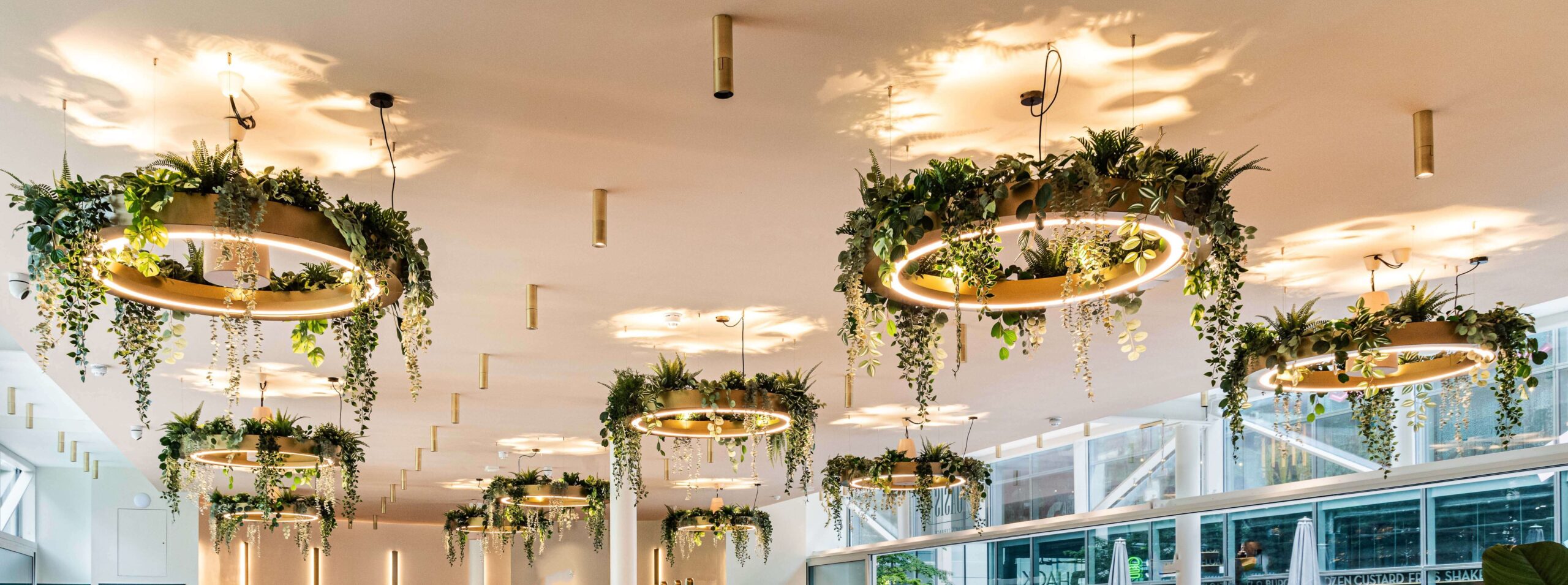
The same approach can be applied to hospitality and contract projects. At Oasis Bar & Terrace in Canary Wharf, Insolit developed a reversed variation of TR Spot & Up with a gold finish in collaboration with Darklight Design. The architecture is by Givanni Associates and the photography is credited to Edmund Sumner. The luminaires were used in relation to the integrated planters and the botanical aesthetic of the space.
View the Oasis Bar & Terrace project
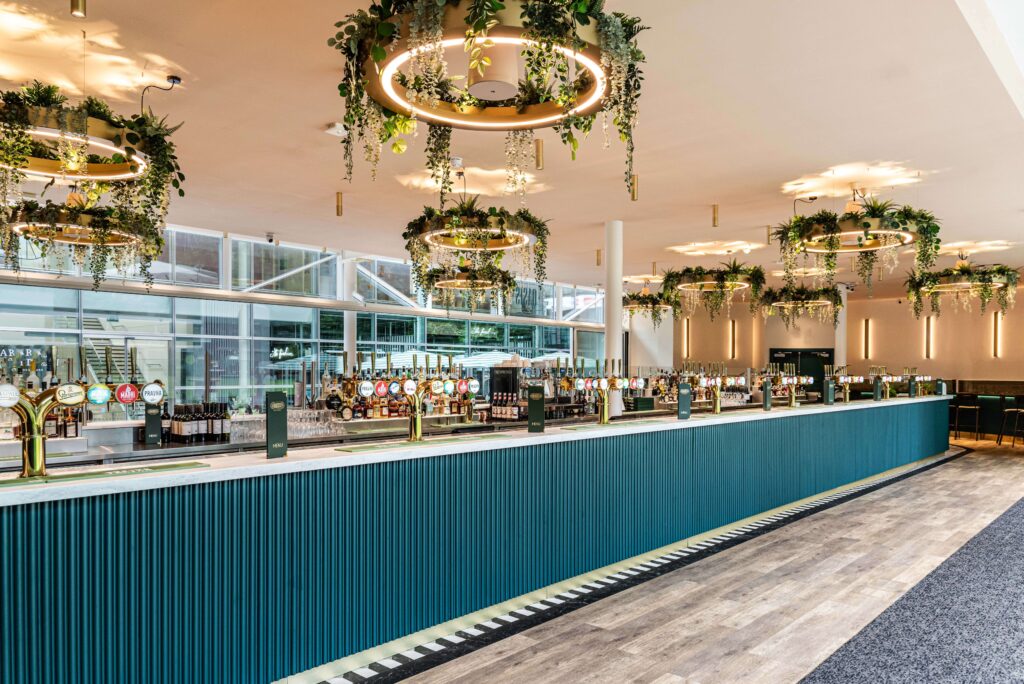
The principle is also relevant to residential projects: an adaptation makes sense when it responds to a specific spatial intention. Finish, orientation and geometry then stop being isolated decisions and become part of the interior architecture.
Lighting design begins before choosing the luminaire
Considering lighting from the earliest project decisions makes it possible to address use, scale, materials and atmosphere together. It also helps determine what can be resolved with a catalogue luminaire, when an adaptation should be explored and when a specific piece might provide an answer that a standard product cannot.
In a home, this may mean relating a pendant to the proportions of a table, constructing a vertical composition within a staircase, revealing the texture of a surface or defining different scenes for everyday routines.
If you are developing a project and need to assess which luminaires could work within it, you can explore the Insolit catalogue or share the specific requirements of the space with the team to review the available options.
Download the Insolit catalogue or Contact Insolit about a project
Frequently asked questions about lighting design
Lighting design is the process of planning how natural and artificial light will be used to respond to the function, architecture and atmosphere of a space. It includes decisions about distribution, direction, intensity, control, light colour and luminaire selection. Product choice is therefore one part of the process, not its starting point.
A useful classification commonly used in interior design distinguishes between general, task, accent and decorative lighting. These categories are not mutually exclusive. A single luminaire can perform several functions, and a project can combine different layers to avoid a flat, uniformly illuminated space.
It is best considered while the layout, furniture, ceilings, building services and materials are being defined. Leaving lighting until the end reduces the possibilities for integrating pendants, indirect light, dimming or solutions related to architectural elements.
Start by considering the geometry and length of the table, the height of the space, the position of the people using it and its relationship with the living room or kitchen. Then decide what light distribution is required across the table surface and which additional layers should accompany it. A linear luminaire may be appropriate above a long table, but there is no universal solution.
It should be studied in section. Scale, suspension, views from different floors, circulation and the specific function of the light all need to be considered. A large-format piece is one option, but compositions of several luminaires suspended at different levels can also be effective.
Accent lighting is primarily defined by its function: drawing attention to a particular element. A decorative luminaire is characterised by the visual importance of the object itself within the interior. A decorative piece may also provide general, task or accent light.
When the dimensions, geometry, integration system or formal intention of the project cannot be adequately resolved with the available references. Before developing a completely new piece, it is worth checking whether a catalogue model or a documented adaptation can respond to the requirement.